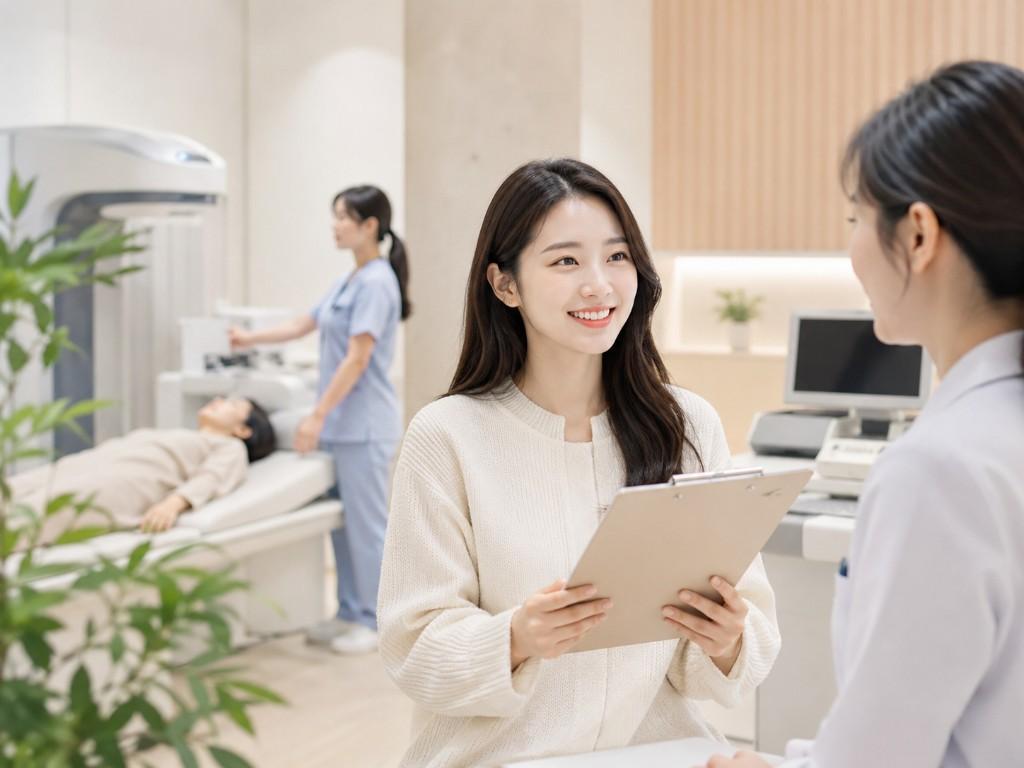
Women's Cancer Screening in Korea: What I Learned
National screening programs, clinic culture, and the practical lessons I picked up navigating cervical and breast cancer screening in Korea.
Screening is normalized — but still easy to postpone
In Korea, women's cancer screening is woven into public health messaging. Posters, workplace notices, and national insurance pathways make it visible. That visibility helps — and it also creates a false sense of "I'll get to it when work calms down."
I learned that availability doesn't equal completion. The system can invite you; only you can show up.
What the screening landscape looks like
For many women in Korea, routine screening includes:
- Cervical cancer screening — Pap smear and/or HPV testing on a schedule based on age and guidelines
- Breast cancer screening — mammography for eligible age groups, with additional ultrasound in some cases depending on breast density and clinical context
Programs and subsidies may apply through National Health Insurance. Eligibility, intervals, and covered services can change — confirm current rules with your clinic or the official NHIS guidance.
This article reflects personal navigation, not legal or policy advice.
What surprised me about the process
1. Speed vs. emotional preparation
Clinics are efficient. The physical exam may take minutes. The mental preparation took me days. I underestimated how much anxiety I'd carry into a routine appointment.
2. Results timing varies
Some clinics call, some use apps, some expect you to check portals. Ask explicitly: How will I receive results, and by when?
3. "Abnormal" is not a diagnosis
Screening flags people who need follow-up. It does not mean cancer is confirmed. I wish someone had said that more plainly before my first result anxiety spiral.
4. Density, family history, and follow-up paths
Breast screening in particular can lead to additional imaging. That is often protocol, not panic.
Practical checklist before booking
- Confirm your age-based screening eligibility and interval
- Ask whether NHIS coverage applies at your chosen facility
- Avoid heavy menstrual days for cervical screening when possible
- Bring ID, insurance information, and prior results if you have them
- Write questions down — it's easy to forget in the room
How I reduced delay
- I booked the first available slot instead of the "perfect" calendar week
- I told a friend the appointment date — social accountability helped
- I separated screening day from research day — I read guidelines before, not after, to avoid catastrophizing in the waiting room
When to contact your doctor outside routine screening
- New lump, skin change, or nipple discharge
- Bleeding between periods or after menopause
- Pelvic pain that is new, severe, or persistent
- No screening result communicated within the expected window
What I learned
Korea's screening infrastructure makes checkups accessible. The harder part is treating them as non-optional maintenance, not a task for a future version of yourself who feels brave enough.
Follow national guidelines and your clinician's recommendations. This is personal experience, not medical advice.
Stay in touch
Wellness articles in your inbox
New health and nutrition notes from Korea — thoughtful, not salesy. Free, unsubscribe anytime.