Cervical Cancer Screening: Things I Wish I Knew Earlier
Before my first Pap smear in Korea, nobody told me about timing, result timelines, or what 'abnormal' actually means. Here is what I know now.
I walked in unprepared
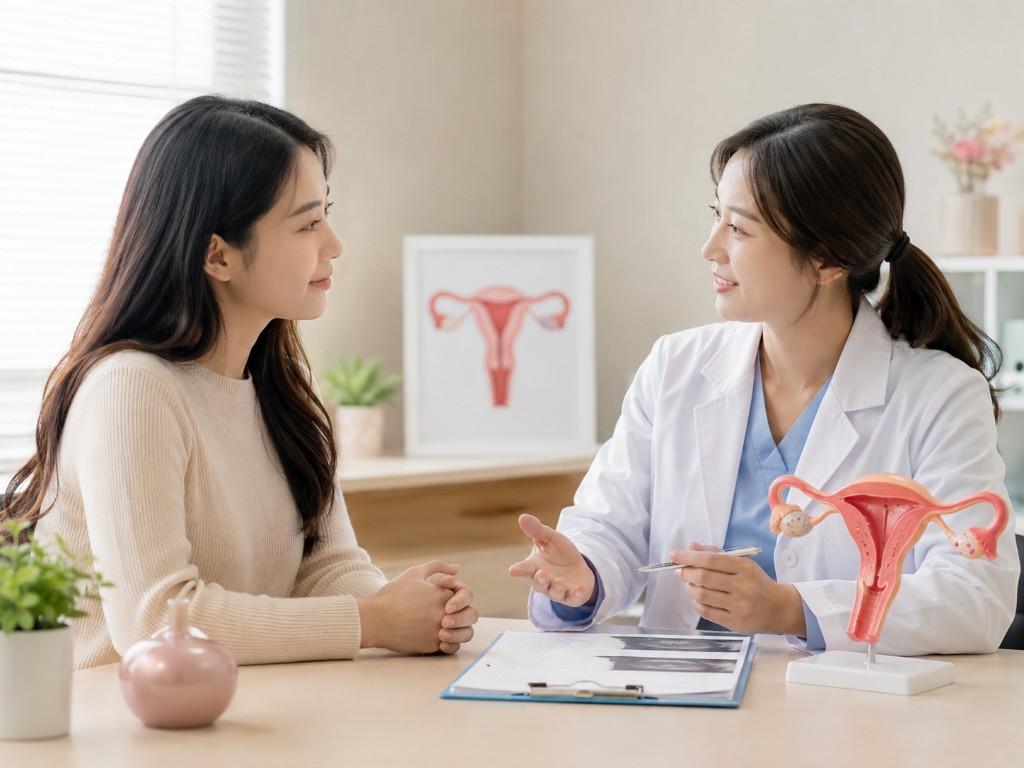
My first cervical screening appointment felt like showing up to an exam I hadn't studied for — not because the procedure is impossibly complex, but because no one explained the basics in plain language.
The test itself was brief. The uncertainty before and after was not.
What cervical screening is actually checking
Cervical cancer screening looks for abnormal cell changes and/or HPV infection that may develop slowly over years. Screening finds people who need closer follow-up — it is not the same as a cancer diagnosis.
HPV is common. Many infections clear on their own. Screening exists to catch persistent changes early, when treatment is most straightforward.
Things I wish I knew before the first visit
Timing matters more than I thought
Many clinicians recommend avoiding scheduling during heavy menstrual bleeding. If your cycle is irregular, call ahead and ask what they prefer.
Discomfort is common; severe pain is a signal
Mild cramping or pressure can happen. Sharp or lasting pain should be reported during or after the exam.
You can ask for step-by-step explanation
I didn't know I could ask the clinician to narrate each step. That small request reduced my tension significantly the second time.
Results have categories, not just "cancer / no cancer"
You may see terms like ASC-US, LSIL, HSIL, or HPV-positive/negative depending on your results. Ask what your specific result means and what follow-up interval is recommended.
Follow-up is a normal path, not a failure
Many women need repeat tests or colposcopy after an abnormal screen. That pathway is designed to clarify — not to punish you for going late.
My pre-appointment checklist
- Confirm whether fasting or other prep is needed (usually not for Pap/HPV)
- Note date of last period
- List medications, including hormonal contraception
- Bring prior Pap/HPV results if switching clinics
- Prepare 2–3 questions on paper
Questions worth asking in the room
- When should I expect results?
- If HPV-positive, what is the follow-up plan?
- Does this clinic participate in national screening programs?
- When should I schedule my next screen?
When to seek care before your next routine screen
- Bleeding after sex that is new for you
- Unusual discharge with odor or persistent irritation
- Pelvic pain that interferes with daily activity
- Post-menopausal bleeding — always discuss promptly
What I learned
Cervical screening is less about one perfect appointment and more about showing up on schedule over years. The first visit taught me that preparation — emotional and practical — matters as much as the swab itself.
General information from personal experience. Follow your clinician's guidance and national screening recommendations.
Stay in touch
Wellness articles in your inbox
New health and nutrition notes from Korea — thoughtful, not salesy. Free, unsubscribe anytime.