Camellia Oil for Skin (Tsubaki Oil): Benefits, How to Use, and What Research Supports
Camellia japonica seed oil — Korea and Japan's classic face oil — explained for women 40+: skin barrier support, moisturizing, refined vs unrefined, and a safe way to use 1–2 drops.
Quick answer
Cold-pressed camellia seed oil (tsubaki oil) is best supported for moisturizing and skin-barrier support — not as a miracle anti-aging cure. For dry or barrier-weak skin after 40, mix 1–2 drops into moisturizer at night rather than applying a heavy oil layer alone.
Who this is for
- Women 40+ with dryness, tightness after cleansing, or a weakened skin barrier
- Readers comparing refined vs unrefined camellia oil before buying a Korean or Japanese product
I kept seeing camellia oil — 동백오일 in Korea, tsubaki oil in Japan — listed as a "miracle" anti-aging ingredient. After digging into the research and trying it on my own dry-season skin, the honest version is simpler: it is a very good barrier-and-moisture oil, not magic in a bottle.
This guide is for English-language readers who want a practical, evidence-weighted overview — especially women in their 40s when skin often gets drier and less forgiving.
What is camellia oil?
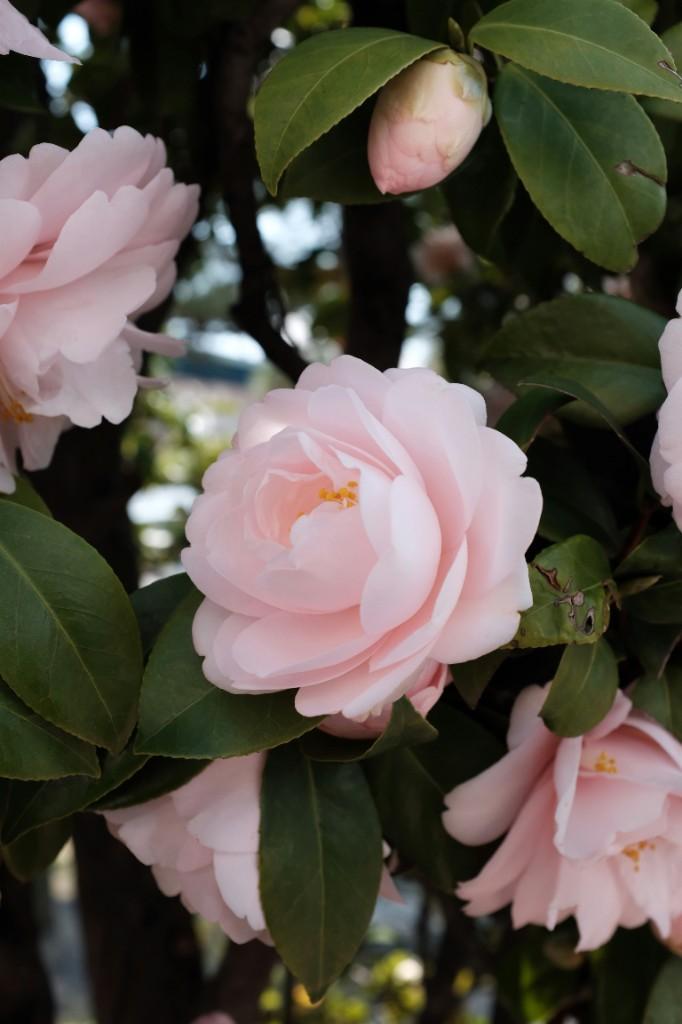
Camellia seed oil usually comes from Camellia japonica (Japanese camellia / tsubaki) or Camellia oleifera. In Korean and Japanese skincare it has been used for generations on face, hair, and nails.
Cosmetic labels may say:
- Camellia Japonica Seed Oil
- Camellia Oleifera Seed Oil
- Tsubaki oil
- Tea seed oil (related species — check the INCI name)
It is not the same as essential oil from camellia flowers. You want cold-pressed seed oil, not fragrance.

Camellia oil benefits for skin: what research supports most
Marketing often leads with "anti-aging." Paper by paper, the strongest evidence cluster looks like this:
| Benefit | Evidence level | What it means in practice |
|---|---|---|
| Skin barrier support | Strongest | May help dry, tight, barrier-weak skin feel more comfortable |
| Moisturizing / TEWL reduction | Strong | Forms a light occlusive layer so water does not escape as fast |
| Anti-inflammatory activity | Moderate | Traditional use for irritation; lab data on inflammatory markers |
| Collagen / procollagen signals | Early | Cell studies show promise; large face trials are limited |
| Antioxidant content | Moderate | Vitamin E, polyphenols, squalene — helpful, not a retinol replacement |
1. Skin barrier support (best supported)
Recent dermatology research on camellia oil in atopic dermatitis–type models reported improvements in barrier-related markers (including filaggrin pathway activity) and reduced inflammation signs in damaged skin. That aligns with why dermatologists talk about ceramides, cholesterol, and fatty acids for barrier repair — camellia oil supplies fatty acids your skin can use.
What you might notice:
- Less tightness after cleansing
- Less flaky texture
- Skin that tolerates cold or indoor heating better
- Calmer feel on mildly irritated areas
2. Moisturizing — it seals water in
Camellia oil is rich in oleic acid (often roughly 70–85% depending on source and processing). Studies describe an oil film on the skin surface that reduces transepidermal water loss (TEWL).
Think of it this way:
- Hyaluronic acid, glycerin, and toner add water
- Camellia oil helps keep that water from leaving too quickly
So it works best after water-based steps — not instead of them.
3. Anti-inflammatory potential
Lab and traditional-use literature describe camellia oil reducing inflammatory mediators (such as TNF-α, NO, and PGE2 in cell models). That supports historical use for sun-exposed, wind-chapped, or dry irritated skin — not as a drug for medical dermatitis.
4. Collagen and "anti-aging" — promising but oversold
Some studies report increased type I procollagen signals in skin cells treated with Camellia japonica oil. Type I collagen matters for firmness.
However:
- Most data is in vitro (cells in a dish) or animal models
- There is no large human trial proving a specific camellia product removes wrinkles over months on every skin type
Reasonable expectation: better hydration and barrier comfort can make lines look softer — that is not the same as prescription retinoid results.
5. Antioxidants — yes, but context matters
Camellia oil contains vitamin E, polyphenols, and squalene. Oxidative stress plays a role in skin aging.
Still, compared with dedicated actives (vitamin C, retinoids, niacinamide at proven concentrations), camellia is a supporting player, not the star.

Refined vs unrefined camellia oil: which should you use on your face?
This was my first question — and the answer depends on your skin.
| Unrefined (virgin) | Refined / filtered | |
|---|---|---|
| Pros | More native plant compounds; richer feel | Lighter scent and color; often less reactive |
| Cons | Stronger aroma; batch variation; faster rancidity risk | Some minor compounds removed in processing |
| Best for | Very dry skin; barrier repair focus | Sensitive, redness-prone, or first-time oil users |
My practical recommendation:
- Dry / inner dryness / thin skin after 40 → cold-pressed, minimally refined oil
- Sensitive, reactive, or breakout-prone → refined or lightly filtered oil first
- First bottle ever → "cold-pressed + lightly filtered" often has the lowest fail rate
How to choose a good product
Look for:
- Cold pressed / cold-pressed on the label
- 100% Camellia Seed Oil (single ingredient)
- No added fragrance
- Amber or dark glass bottle (light degrades oils)
- Fresh smell — rancid nutty or paint-like odor means discard
Who camellia oil suits — and who should be cautious
Often a good fit
- Dry or dehydrated skin (oil + water loss)
- Post-40 skin that feels tight in winter
- Barrier damage from over-exfoliation or harsh cleansers
- Normal skin needing a seasonal boost
Use caution
- Very oily skin — high oleic acid can feel occlusive
- Active inflammatory acne — oil alone may not help; patch test
- Folliculitis-prone skin — heavy oils can worsen clogged-feeling pores for some people
This is not a "never" list — it is a start low, patch test list.
How to use camellia oil on your face (the method I actually follow)
The biggest mistake is treating any face oil like a standalone moisturizer.
Step-by-step (PM routine)
- Gentle cleanse
- Toner or essence (optional)
- Water-based serum — hyaluronic acid, glycerin, etc.
- Moisturizer — your regular cream or lotion
- Camellia oil: 1–2 drops warmed between fingertips, pressed into skin — or mixed into the cream in your palm
Rules that matter
- Do not apply 5–10 drops straight to the face unless you are very dry and already know your skin tolerates it
- Do not skip moisturizer and use oil only — you still need water-binding ingredients
- Patch test behind the ear or jaw for 3–5 nights first
- AM use: optional; many people prefer PM only to avoid sunscreen pilling
Hair and body
Camellia oil is also traditional for hair ends and dry elbows. Keep a separate small bottle if you use it on body — hygiene and scent preference.
Camellia oil vs other face oils (quick comparison)
| Oil | Feel | Best known for | Note for 40+ skin |
|---|---|---|---|
| Camellia (tsubaki) | Light–medium, silky | Barrier, East Asian routines | Classic K-beauty/J-beauty choice |
| Jojoba | Light | Mimics sebum | Good for mixed skin |
| Rosehip | Medium | Retinoid-related compounds | More "treatment" vibe |
| Olive oil (cosmetic grade) | Heavier | Occlusion | Kitchen olive oil ≠ cosmetic grade |
If you cook with oils at home, see our cooking oil comparison — culinary and cosmetic oils are not interchangeable on the face.
FAQ: camellia oil for skin
Is camellia oil the same as tsubaki oil?
Yes, in most skincare contexts. Tsubaki (椿) is the Japanese name for camellia; products labeled tsubaki oil usually mean camellia seed oil, often Camellia japonica.
Can I use camellia oil if I have acne?
Maybe — patch test first. High oleic oils help some dry, acne-prone people and bother others. Start with one drop mixed into moisturizer, not a full oil layer. Stop if comedones increase.
Refined or unrefined for sensitive skin?
Refined or minimally filtered is usually safer for sensitive or redness-prone skin. Unrefined can be richer but may irritate reactive skin.
How many drops for the whole face?
1–2 drops is enough for most faces when mixed with cream. More is not better.
Can camellia oil replace retinol or vitamin C?
No. It complements a routine; it does not replace proven actives with strong clinical data for photoaging.
Does camellia oil expire?
Yes. Store cool, dark, and capped. Typical shelf life is often 6–12 months after opening — check the brand. Rancid oil can irritate skin.
The bottom line
Camellia oil earned its place in Korean and Japanese beauty because it is gentle, versatile, and barrier-friendly — especially when skin gets drier with age.
If you remember three things:
- Best evidence = moisture + barrier, not instant wrinkle erasure
- Use 1–2 drops with moisturizer, not instead of it
- Pick cold-pressed, fragrance-free oil — refined if your skin is sensitive
That is the version worth buying — and worth keeping in your routine past one influencer season.
General wellness and skincare information only. Not medical advice. Patch test new products; consult a dermatologist for persistent rash, eczema, or acne that does not improve.
Key takeaways
- Research is strongest for barrier support and moisture retention — not dramatic wrinkle reversal.
- High oleic acid helps dry skin but may feel heavy on oily or acne-prone skin.
- Mix 1–2 drops into cream after water-based steps — do not skip your regular moisturizer.
When to see a doctor
- Rash, burning, or worsening breakouts after starting any face oil
- Suspected contact allergy or eczema flare that does not settle within a few days
- Persistent dryness despite gentle care — rule out thyroid, medication, or dermatitis
How we write here
Articles combine personal experience, public health sources, and practical checklists. They do not replace medical diagnosis or treatment.
Stay in touch
Wellness articles in your inbox
Korean wellness for women 40+ — thoughtful notes, not sales funnels. Free, unsubscribe anytime.