Olive Oil vs Avocado Oil vs Canola Oil vs Pomace Olive Oil: Which Cooking Oil Is Healthiest?
A practical comparison of extra virgin olive oil, pomace olive oil, avocado oil, and canola oil — smoke points, fatty acids, and when each makes sense in everyday cooking.
Quick answer
A practical comparison of extra virgin olive oil, pomace olive oil, avocado oil, and canola oil — smoke points, fatty acids, and when each makes sense in everyday cooking.
Who this is for
- Women 40+ cooking at home with healthier oils and ingredients
- Readers looking for practical kitchen and meal guides
When choosing a cooking oil, many people focus on taste or price. However, the type of oil you use can affect your heart health, inflammation levels, and even the nutritional value of your meals.
In this guide, we'll compare four popular cooking oils: Extra Virgin Olive Oil, Pomace Olive Oil, Avocado Oil, and Canola Oil.
Quick Comparison Table
| Oil Type | Best For | Omega-6 : Omega-3 Ratio | Smoke Point | Health Rating |
|---|---|---|---|---|
| Extra Virgin Olive Oil | Salads, light cooking | ~13:1 | 375°F (190°C) | ⭐⭐⭐⭐⭐ |
| Pomace Olive Oil | Frying, high-heat cooking | ~13:1 | 460°F (238°C) | ⭐⭐⭐ |
| Avocado Oil | High-heat cooking | ~13:1 | 520°F (271°C) | ⭐⭐⭐⭐⭐ |
| Canola Oil | Everyday cooking | ~2:1 | 400°F (204°C) | ⭐⭐⭐⭐ |
1. Extra Virgin Olive Oil (Best Overall for Health)
Extra virgin olive oil is extracted directly from fresh olives without chemical processing.
Benefits
- Rich in heart-healthy monounsaturated fats
- High in antioxidants and polyphenols
- Linked to lower risk of cardiovascular disease
- Core component of the Mediterranean diet
Drawbacks
- More expensive
- Lower smoke point than refined oils
- Strong flavor may not suit every dish
Best for: Salad dressings, dipping bread, finishing dishes, light sautéing.
2. Pomace Olive Oil (Budget-Friendly Cooking Oil)
Pomace olive oil is made from the leftover olive pulp after extra virgin olive oil has been extracted. The remaining material is processed and refined to produce additional oil.
Benefits
- More affordable than extra virgin olive oil
- Neutral flavor
- High smoke point
- Suitable for frying and commercial kitchens
Drawbacks
- Contains far fewer antioxidants
- Lower polyphenol content
- Less nutritional value compared to extra virgin olive oil
Is Pomace Olive Oil Unhealthy?
No. Pomace olive oil is generally considered safe and still contains a favorable fatty acid profile. However, it lacks many of the beneficial compounds found in extra virgin olive oil.
Think of it as a practical cooking oil rather than a health food.
Best for: Deep frying, stir-frying, and high-heat cooking.
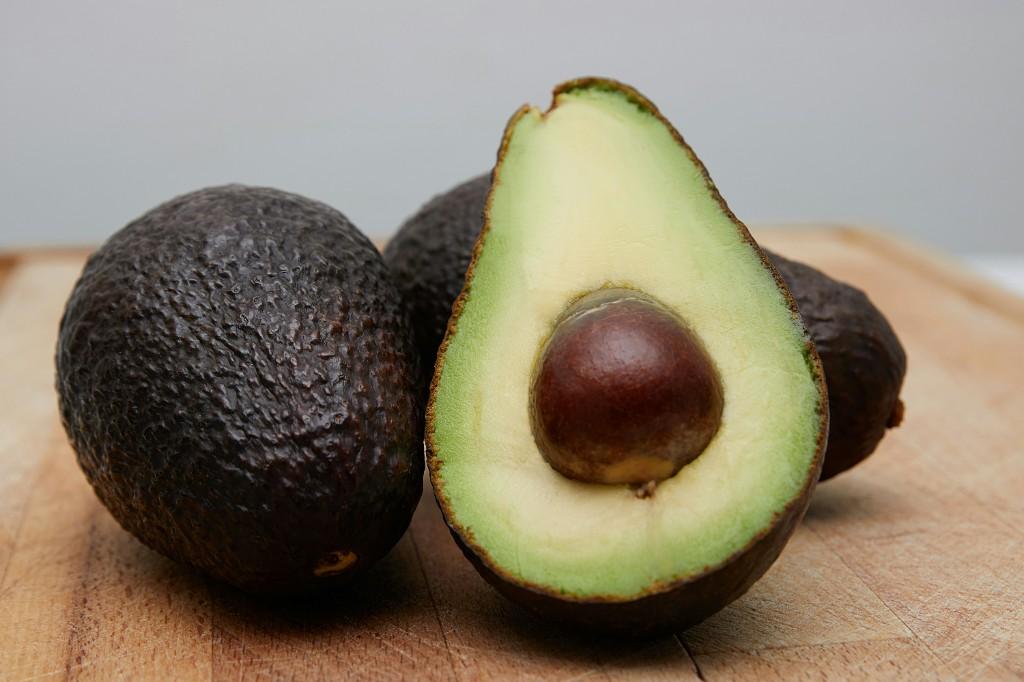
3. Avocado Oil (The Premium High-Heat Choice)
Avocado oil has become increasingly popular among health-conscious consumers.
Benefits
- Extremely high smoke point
- Rich in monounsaturated fats
- Contains vitamin E and plant compounds
- Mild flavor
Drawbacks
- Expensive
- Quality varies significantly between brands
Best for: Grilling, roasting, frying, and high-temperature cooking.
4. Canola Oil (The Most Balanced Fatty Acid Profile)
Canola oil often receives criticism online, but its fatty acid composition is surprisingly balanced.
Benefits
- Low saturated fat
- Excellent omega-6 to omega-3 ratio
- Affordable
- Neutral taste
Drawbacks
- Usually refined
- Fewer antioxidants than olive oil
Best for: Everyday home cooking and baking.
Omega-6 vs Omega-3: Does the Ratio Matter?
Modern diets often contain excessive omega-6 fats and insufficient omega-3 fats. A lower omega-6 to omega-3 ratio is generally considered beneficial.
Approximate ratios:
- Canola Oil: 2:1
- Olive Oil: 13:1
- Avocado Oil: 13:1
- Corn Oil: 46:1
- Soybean Oil: 7:1
However, overall dietary patterns matter more than a single cooking oil. Eating fatty fish, walnuts, flaxseed, or omega-3 supplements can help balance fatty acid intake.
Final Verdict
Choose Extra Virgin Olive Oil if:
- Health benefits are your priority
- You enjoy Mediterranean-style cooking
- You want maximum antioxidant intake
Choose Pomace Olive Oil if:
- You cook at high temperatures
- You fry food regularly
- You want a lower-cost alternative to extra virgin olive oil
Choose Avocado Oil if:
- You frequently grill, roast, or fry
- Budget is less of a concern
Choose Canola Oil if:
- You want a balanced fatty acid profile
- You need an affordable everyday oil
The Bottom Line
No cooking oil is perfect.
For most households, a combination of extra virgin olive oil for cold dishes and a high-heat oil such as avocado oil or pomace olive oil for cooking offers the best balance between health, flavor, and cost.
General nutrition information only. Not personalized dietary or medical advice. Consult a clinician if you have heart disease, high cholesterol, or specific dietary restrictions.
How we write here
Articles combine personal experience, public health sources, and practical checklists. They do not replace medical diagnosis or treatment.
Stay in touch
Wellness articles in your inbox
Korean wellness for women 40+ — thoughtful notes, not sales funnels. Free, unsubscribe anytime.