Popular Korean Diet Trends Right Now: Blood Sugar, Slow Aging, and More
Discover today's top Korean diet trends — blood sugar control (chae-dan-tan), slow-aging meals, high-protein eating, Greek yogurt bowls, poke, intermittent fasting, and low-sugar foods for women 40+.
Quick answer
Modern Korean dieting focuses less on extreme restriction and more on blood sugar control, protein, low sugar, and meals you can sustain. Popular trends include chae-dan-tan (vegetables → protein → carbs), slow-aging whole foods, high-protein convenience options, Greek yogurt bowls, poke, 16:8 fasting, and portion-smart Korean lunch boxes.
Who this is for
- Women 40+ curious about realistic Korean-style eating habits, not crash diets
- Readers interested in blood sugar balance, protein, slow aging, and everyday meal ideas
Korean diet culture is changing.
In the past, many people thought dieting meant eating as little as possible, cutting out rice completely, or surviving on chicken breast and sweet potatoes.
But these days, the trend looks different.
In Korea, more people are moving toward diets that focus on blood sugar control, protein intake, slow aging, low-sugar foods, and sustainable eating habits.
Instead of asking, "How fast can I lose weight?" more people are asking, "How can I eat in a way that helps me feel lighter, less bloated, and healthier for longer?"
Here are some of the most popular diet trends in Korea right now.
From Blood Sugar Control to Slow-Aging Meals
1. Blood Sugar Diet
One of the biggest wellness trends in Korea right now is the blood sugar diet.
This approach focuses on preventing sharp blood sugar spikes after meals. The goal is not necessarily to remove all carbohydrates, but to eat them in a smarter way.
A popular Korean phrase for this method is "chae-dan-tan", which means:
Vegetables → Protein → Carbohydrates
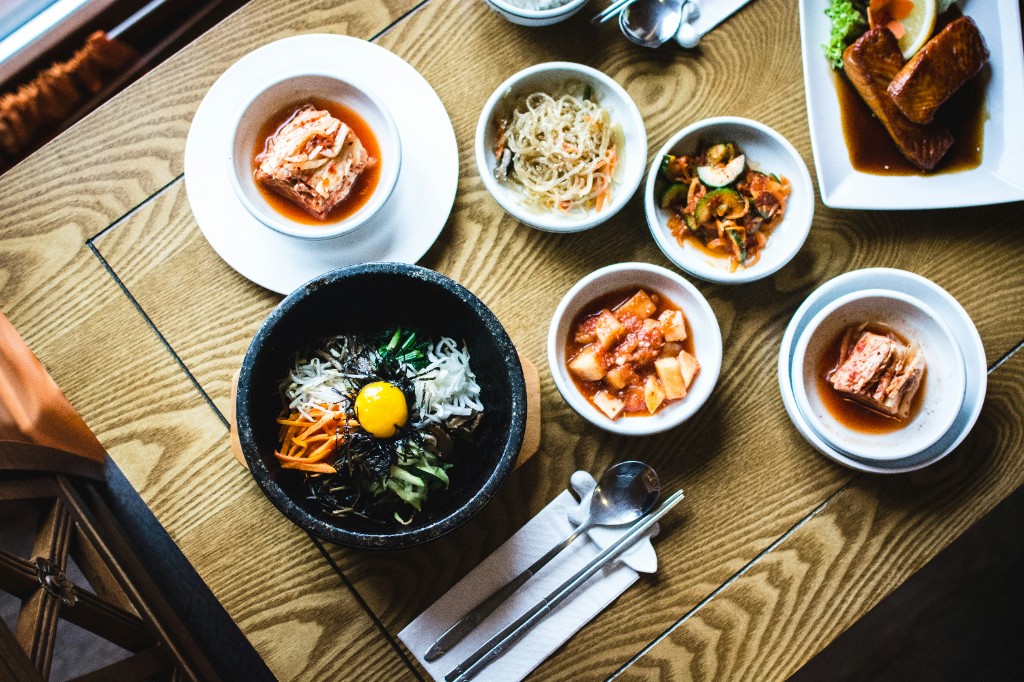
For example, instead of starting your meal with rice, noodles, or bread, you begin with vegetables such as salad, steamed greens, or Korean vegetable side dishes. Then you eat protein such as eggs, tofu, fish, chicken, or lean meat. Finally, you eat carbohydrates like rice, sweet potatoes, or noodles.
This eating order may help you feel full sooner and reduce the urge to snack after meals.
For many Koreans, this trend feels realistic because it does not require completely giving up rice. Instead, it changes the order and portion size.
A simple blood sugar-friendly Korean meal might look like this:
Vegetable side dishes + grilled fish or tofu + half a bowl of rice
This is especially popular among people who experience afternoon fatigue, cravings, belly fat, or energy crashes after eating.
2. Slow-Aging Diet
Another major trend in Korea is the slow-aging diet.
This diet is not just about losing weight. It is about eating in a way that may support long-term metabolic health, reduce inflammation, and help the body age more gently.
The slow-aging diet usually focuses on:
- Whole grains
- Beans and legumes
- Vegetables
- Fish
- Nuts and seeds
- Healthy fats
- Less sugar
- Fewer ultra-processed foods
In Korea, this trend has become especially popular among women in their 30s, 40s, and beyond. Instead of wanting to simply become thinner, many people want to look less tired, reduce puffiness, maintain muscle, and protect their skin and energy levels.
A typical slow-aging Korean meal could be:
Multigrain rice + tofu or fish + vegetables + seaweed soup + a small handful of nuts
The key is balance. It is not an extreme diet. It is closer to a long-term wellness eating pattern.
This trend works well because it connects weight management with beauty, energy, and healthy aging.
3. High-Protein Diet
High-protein diets are still very popular in Korea, but they have become much more convenient and varied.
In the past, a high-protein diet often meant eating plain chicken breast every day. Now, Korean convenience stores, supermarkets, and online shops offer many high-protein options, such as:
- Greek yogurt
- Boiled eggs
- Protein drinks
- Chicken breast sausages
- High-protein lunch boxes
- Tofu noodles
- Protein bars
- Low-sugar protein desserts
Protein is popular because it helps with fullness. A meal that is too low in protein can leave you hungry soon after eating, which often leads to snacking.
For weight loss, protein is also important because it helps protect muscle mass. This is especially important for women over 40, when muscle loss becomes a bigger concern.
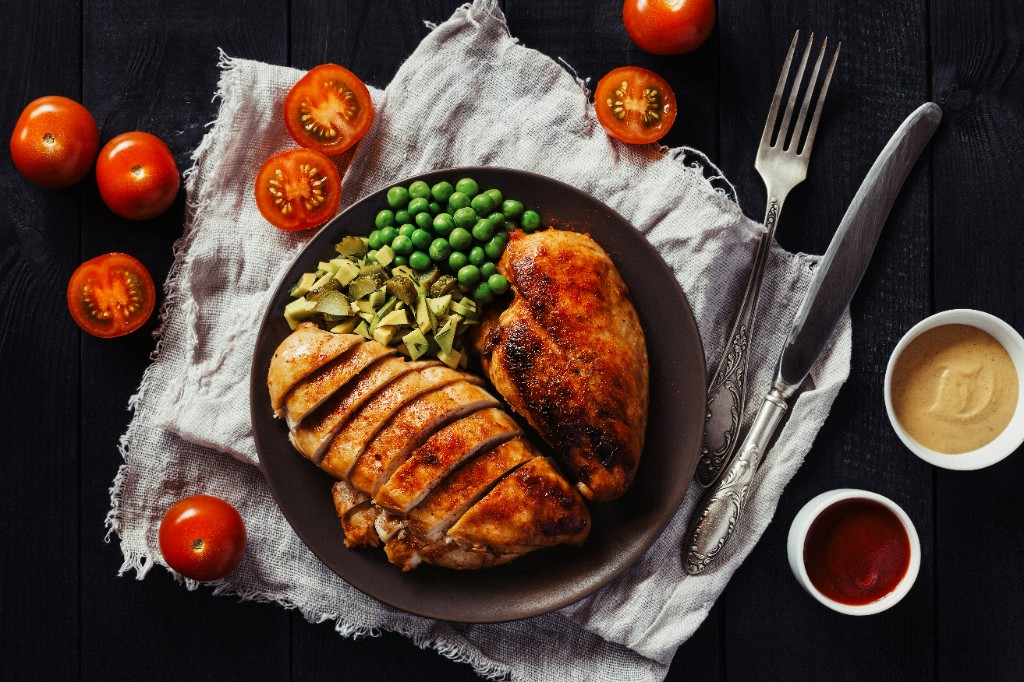
A simple high-protein Korean-style diet day could look like this:
Breakfast: Greek yogurt with berries
Lunch: Chicken breast salad with a small portion of brown rice
Dinner: Tofu, eggs, vegetables, and soup
However, high-protein does not mean protein only. Vegetables, fiber, and healthy carbohydrates are still important for digestion and long-term health.
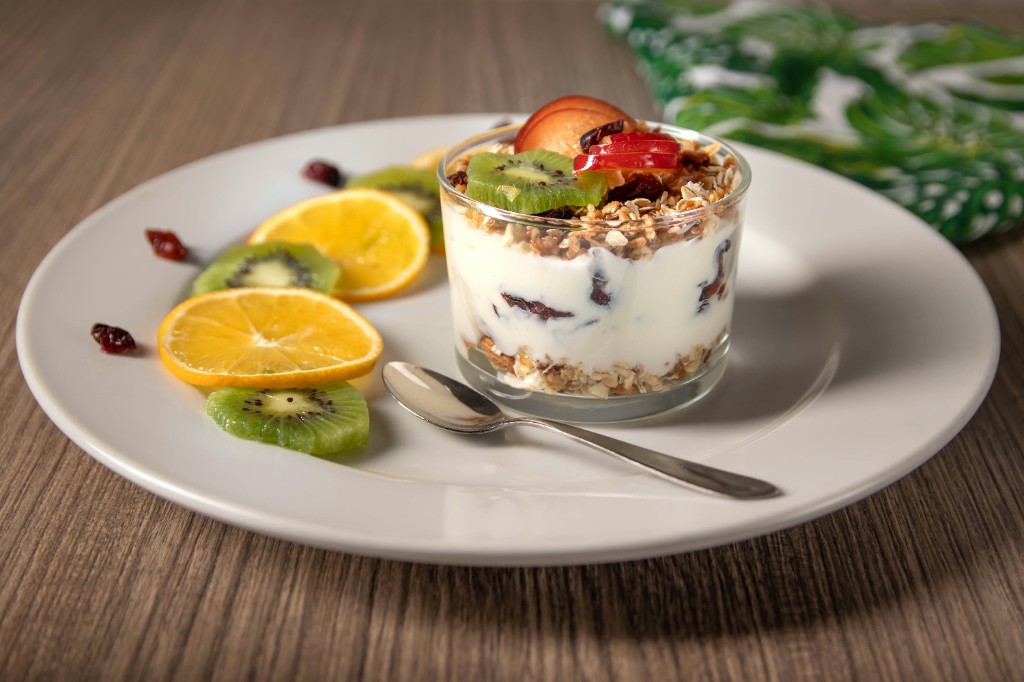
The Greek yogurt bowl is one of the most visible diet trends among young Korean women.
It is popular because it is simple, pretty, and easy to customize. You can find Greek yogurt bowls all over Korean social media, often topped with fruit, granola, nuts, oats, or low-sugar syrup.
A diet-friendly Greek yogurt bowl might include:
Unsweetened Greek yogurt + blueberries + a few banana slices + oats + nuts
Greek yogurt is high in protein and can be a satisfying breakfast or snack.
But there is one common mistake.
Many people add too much granola, honey, jam, chocolate, or syrup. At that point, the bowl may look healthy but can become very high in sugar and calories.
For a more balanced version, choose unsweetened Greek yogurt and keep sweet toppings small.
5. Poke Bowls and Salad Bowls
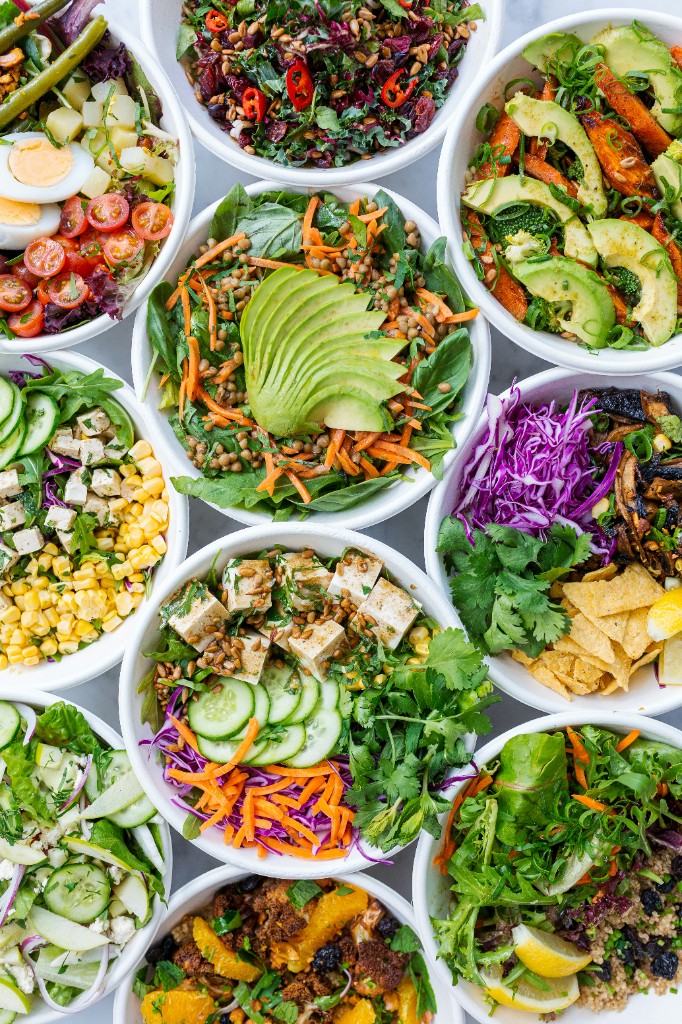
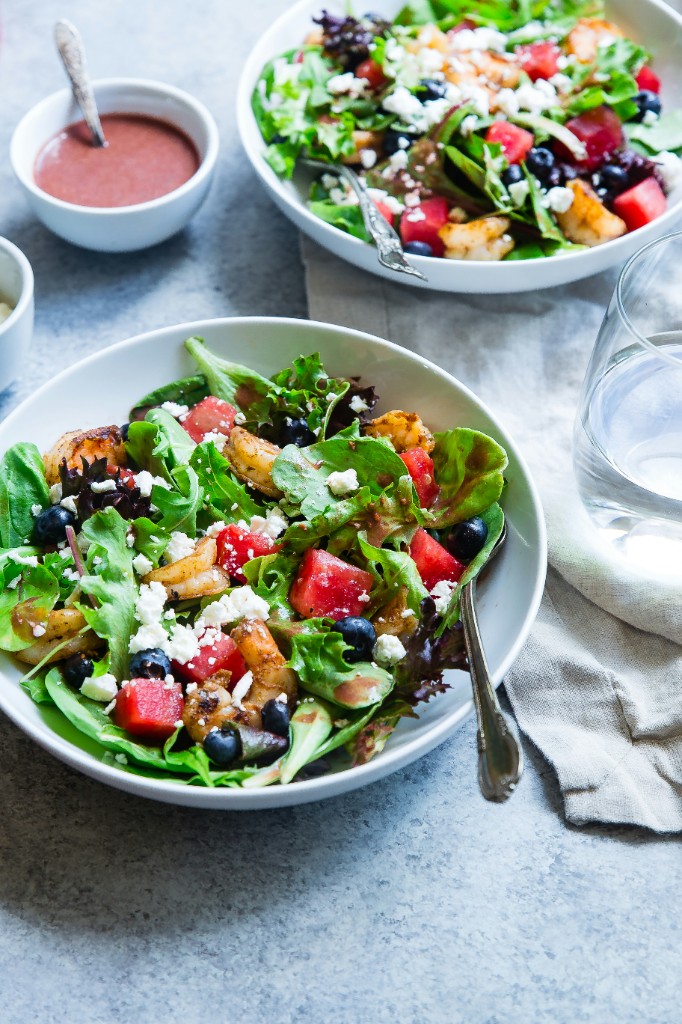
Poke bowls and salad bowls are also popular diet meals in Korea, especially among office workers.
They are convenient, colorful, and easy to order for lunch. A well-made poke bowl can contain vegetables, protein, healthy fats, and carbohydrates all in one meal.
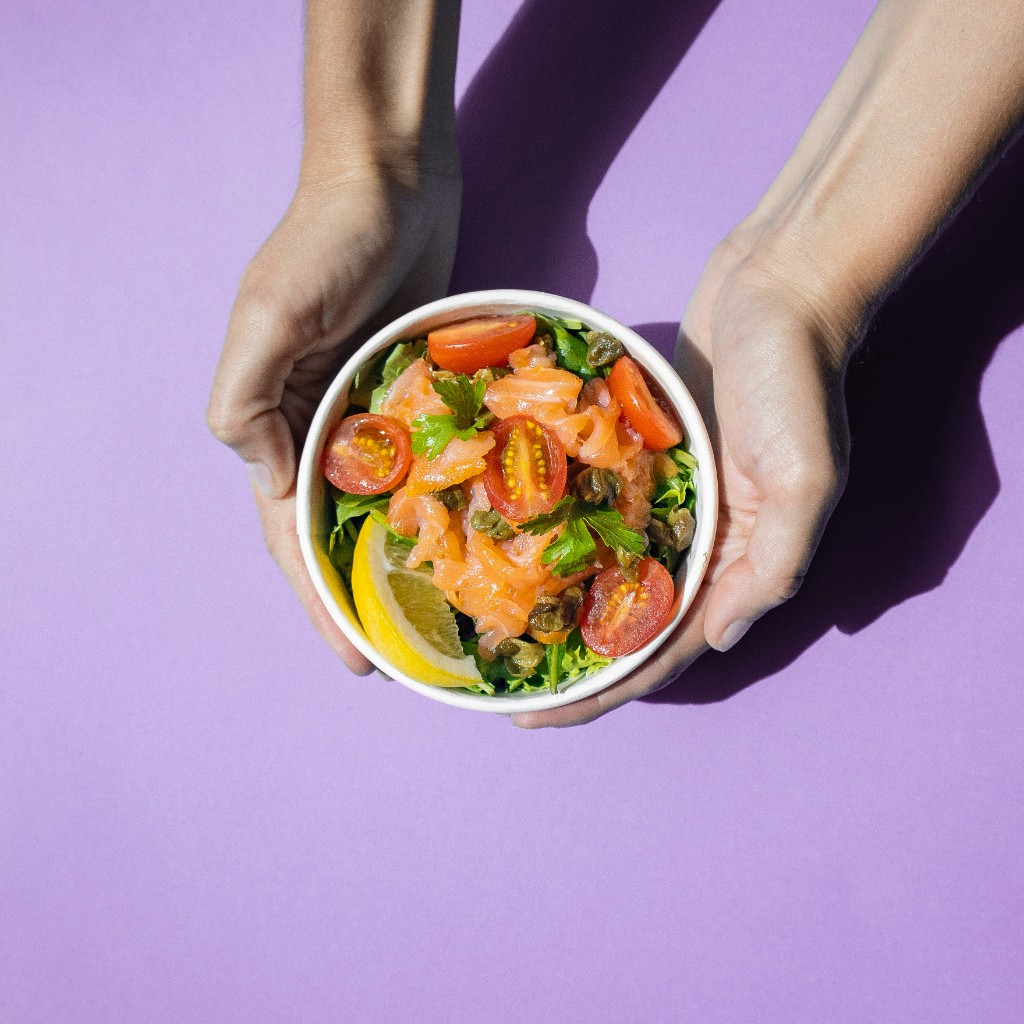
A balanced poke bowl might include:
Salmon or chicken + vegetables + a small portion of brown rice + avocado + dressing on the side
The advantage of poke is that it feels like a proper meal, not just a small salad. This makes it easier to continue as a daily habit.
But poke bowls can also become high in calories depending on the sauce. Creamy dressings, sweet soy-based sauces, and mayonnaise-style toppings can add up quickly.
For weight loss, it is better to ask for less rice and keep the dressing separate.
6. Intermittent Fasting
Intermittent fasting remains popular in Korea.
The most common version is the 16:8 method, where you fast for 16 hours and eat within an 8-hour window.
For example, someone may skip breakfast and eat lunch at 12 p.m. and dinner before 8 p.m.
This works well for some people because it naturally reduces late-night snacking and limits the eating window.
But intermittent fasting is not magic. If you overeat during the eating window, weight loss may not happen.
It may also not be the best option for people who tend to binge after fasting, have blood sugar issues, are pregnant or breastfeeding, or take certain medications.
A healthier version of intermittent fasting focuses on meal quality, not just fasting time. During the eating window, meals should still include protein, vegetables, and balanced carbohydrates.
7. Korean Diet Lunch Box
One of the most sustainable diet trends in Korea is the Korean-style diet lunch box.
Instead of eating only salads, many people are returning to a more balanced Korean meal with smaller portions.
A Korean diet lunch box might include:
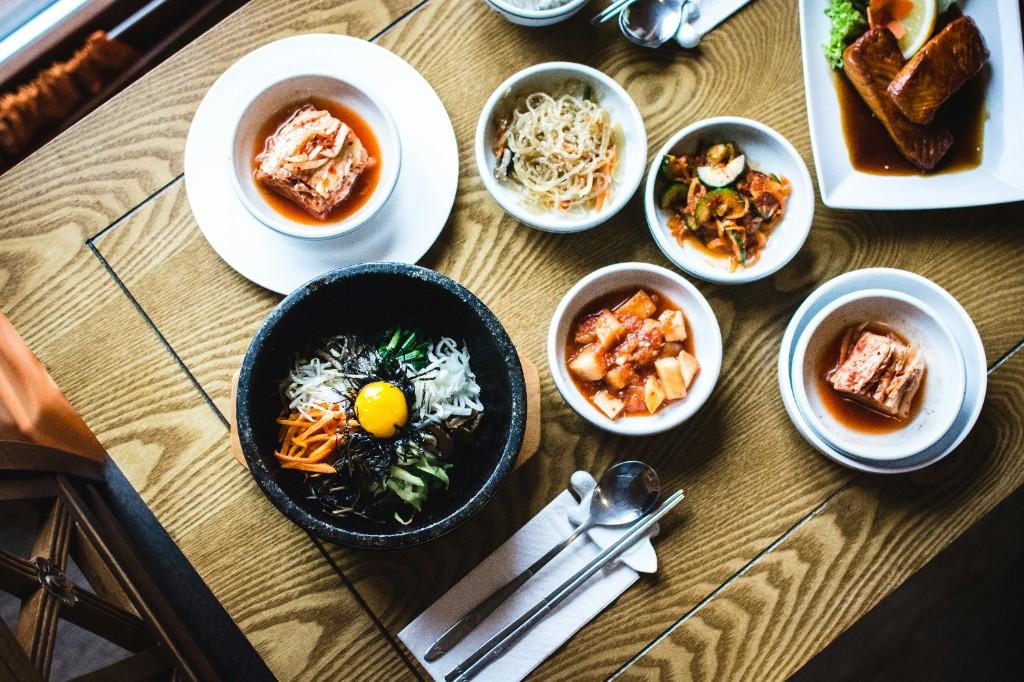
Half a bowl of multigrain rice + steamed eggs + grilled fish + vegetables + a small amount of kimchi
Or:
Brown rice + tofu + mushrooms + cucumber salad + chicken breast jangjorim
This style of eating works well because it feels familiar. For many Koreans, completely cutting out rice is hard to maintain. A smaller portion of rice with more protein and vegetables is often more realistic.
The main thing to watch is sodium. Korean side dishes can be salty, especially kimchi, pickles, salted seafood, and soups.
For a healthier version, reduce salty side dishes and avoid drinking too much soup broth.
8. Low-Sugar and Zero-Sugar Foods
Low-sugar foods are everywhere in Korea right now.
You can find zero-sugar drinks, low-sugar yogurt, sugar-free chocolate, allulose syrup, low-sugar jam, and low-calorie desserts in convenience stores and supermarkets.
This trend is popular because many people want to enjoy sweet foods while reducing sugar intake.
Replacing regular soda with a zero-sugar drink or using allulose instead of sugar may help some people reduce overall sugar consumption.
But low-sugar does not always mean healthy.
Some sugar-free snacks still contain calories, fats, refined starches, or sugar alcohols that may cause bloating or digestive discomfort.
The best approach is to use low-sugar products as a tool, not as a free pass to eat unlimited sweets.
What Korean Diet Trends Have in Common
Although these diet trends look different, they share a few common ideas.
Modern Korean dieting is moving away from extreme restriction.
The new focus is:
Eat enough protein.
Control blood sugar.
Reduce added sugar.
Keep carbohydrates, but choose better portions.
Eat more vegetables and fiber.
Choose a routine you can actually continue.
This is a much healthier direction than crash dieting.
For women in their 30s and 40s, this shift is especially important. Losing weight too aggressively can lead to muscle loss, fatigue, poor skin condition, and rebound weight gain.
A sustainable diet should make you feel lighter, not weaker.
A Simple Korean-Inspired Diet Day
If you want to try a Korean-style healthy diet trend, here is a simple example.
Breakfast
Unsweetened Greek yogurt with berries, nuts, and a small spoon of oats
Lunch
Poke bowl or Korean diet lunch box with protein, vegetables, and half a portion of rice
Snack
Boiled eggs, unsweetened soy milk, nuts, or low-sugar yogurt
Dinner
Tofu or grilled fish with vegetables, soup, and a small amount of multigrain rice
This kind of meal plan is not extreme, but it is much easier to maintain.
And that is the point.
The best diet is not the one you can do perfectly for three days. It is the one you can repeat comfortably for months.
Final Thoughts
Korean diet trends are becoming more balanced and health-focused.
Instead of only chasing fast weight loss, many people are now interested in blood sugar control, slow aging, protein intake, low-sugar foods, and realistic Korean-style meals.
This shift makes sense.
A good diet should not make you feel exhausted, hungry, or afraid of food. It should help you build a daily routine that supports your body, your energy, and your long-term health.
So if you are curious about Korean diet trends, start with the basics:
Eat vegetables first.
Add enough protein.
Keep rice in a reasonable portion.
Reduce added sugar.
And choose meals you can actually enjoy.
That is the real secret behind today's Korean diet trends.
General nutrition and lifestyle information only. Not medical advice. Consult a qualified healthcare professional before changing your diet, especially if you have diabetes, take medications, or have a history of disordered eating.
Key takeaways
- Chae-dan-tan — vegetables first, then protein, then carbs — is Korea's leading blood sugar-friendly pattern.
- Slow-aging and high-protein trends prioritize energy, muscle, and long-term health over fast weight loss.
- The best Korean diet trend is the one you can repeat for months, not perfect for three days.
When to see a doctor
- Before starting intermittent fasting if you have diabetes, take medications, or are pregnant or breastfeeding
- Persistent fatigue, dizziness, or binge eating after restrictive eating patterns
- Unexplained weight loss, blood sugar swings, or digestive issues that do not improve with balanced meals
How we write here
Articles combine personal experience, public health sources, and practical checklists. They do not replace medical diagnosis or treatment.
Stay in touch
Wellness articles in your inbox
Korean wellness for women 40+ — thoughtful notes, not sales funnels. Free, unsubscribe anytime.