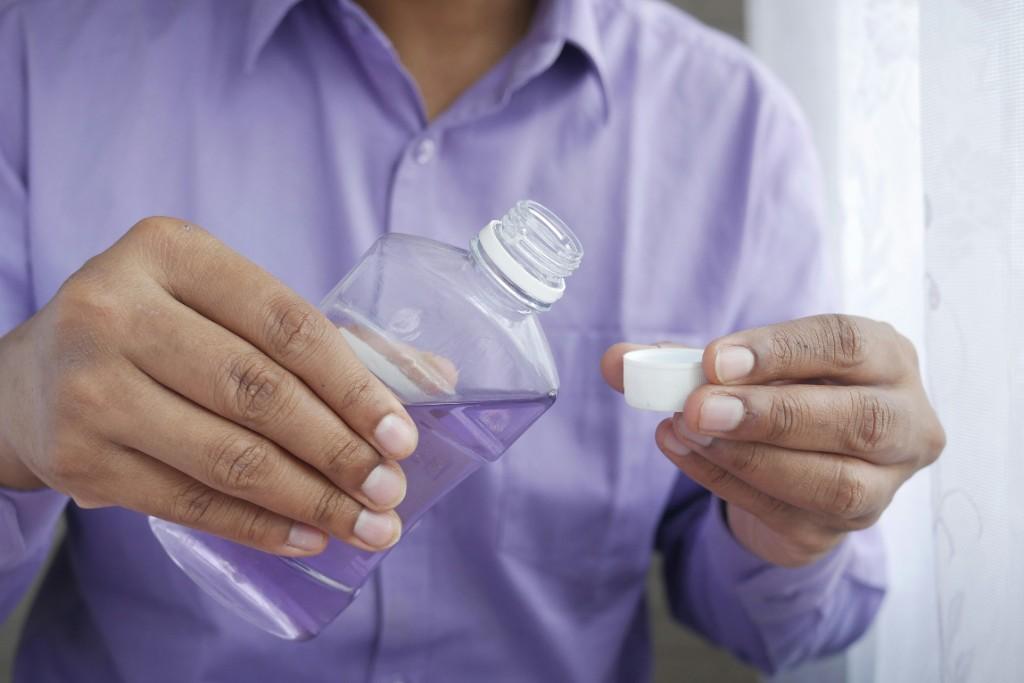
Could Your Mouthwash or Air Freshener Be Affecting Your Memory? What to Know About Everyday Household Chemicals
Everyday products like mouthwash, air fresheners, disinfectants, mosquito coils, and new clothes may increase chemical exposure at home. Here's how to reduce risk without panic.
Quick answer
Recent research links frequent use of some everyday products — mouthwash, air fresheners, disinfectants — with higher rates of cognitive decline in older adults. That is an association, not proof of harm. The practical takeaway is to ventilate, use products as directed, and reduce unnecessary repeated exposure at home.
Who this is for
- Women 40+ who want calmer, practical guidance on everyday chemical exposure at home
- Readers curious about mouthwash, air fresheners, disinfectants, and indoor air habits
The Products You Use Every Day May Deserve a Second Look
Do you keep any of these at home?
Mouthwash. Bathroom air fresheners. Room sprays. Disinfectant wipes. Hand sanitizers. Mosquito coils. New clothes you wear straight from the package.
Most of us use these products without thinking twice. They feel clean, fresh, and safe. A minty mouthwash feels like good oral hygiene. A floral bathroom spray feels like a cleaner home. A disinfectant wipe feels like protection.
But here is the uncomfortable question:
Could "clean" sometimes mean more chemical exposure than we realize?
Recent research has raised interest in the possible connection between everyday household chemical products and cognitive health, especially in older adults. This does not mean your mouthwash is "destroying your brain." It does mean that repeated exposure to certain chemicals, especially in poorly ventilated spaces, may be worth paying attention to.
Let's break it down in a calm, practical way.
The Study That Got People Talking
A recent study looked at the use of several household chemical products and cognitive function in older adults. The researchers found that frequent use of certain products — including anti-cavity oral products, air fresheners, and disinfectants — was associated with a higher likelihood of cognitive decline.
The key word here is associated.
That means the study found a pattern, not absolute proof that these products directly cause memory loss. Many other factors can influence cognitive function, including age, sleep, diet, exercise, air quality, education, medications, chronic disease, and lifestyle.
Still, the finding is important because these are not rare industrial chemicals. These are products many people use every single day.
Why Household Chemicals May Matter for Brain Health
Your brain is not separate from the rest of your body. What you inhale, absorb, swallow, or repeatedly expose yourself to can affect your overall health.
Many household products contain ingredients designed to kill bacteria, reduce odor, prevent mold, or repel insects. These ingredients can be useful, but they are also biologically active. In other words, they are meant to do something.
The concern is not usually one-time use. The bigger issue is:
How often are you exposed? How much do you inhale? Is the space well ventilated? Do chemicals remain on your skin, in your mouth, or in indoor air?
Toxicity is often about dose and repetition. A product used occasionally in the right way is very different from a product used heavily every day in a closed room.
Mouthwash: Fresh Breath, But Don't Let It Linger Too Long
Mouthwash can be helpful for some people, especially when recommended by a dentist. But many people use it in a way that may increase unnecessary exposure.
Some people rinse with mouthwash and intentionally leave the strong minty feeling in the mouth. Others barely rinse after brushing because they like the "clean" sensation.
The problem is that some oral care products contain antimicrobial ingredients. If these remain in the mouth longer than necessary, they may increase repeated exposure.
This does not mean everyone needs to stop using mouthwash. But it does mean you should use it properly.
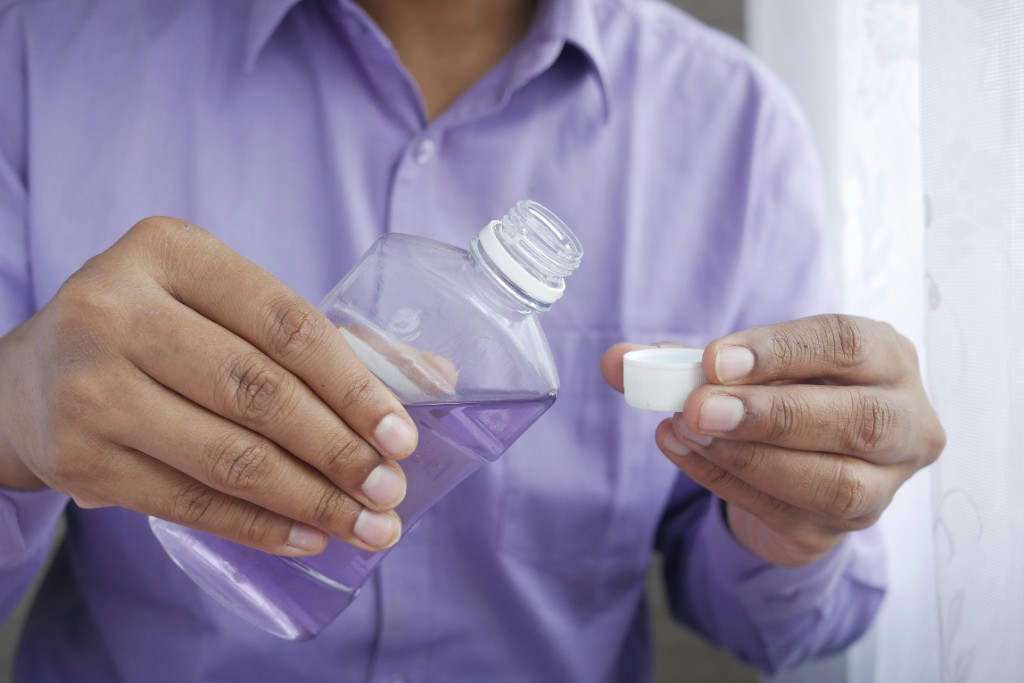
A smarter way to use mouthwash
- Follow the label instructions.
- Do not swallow it.
- Do not hold it in your mouth longer than directed.
- Avoid overusing strong antiseptic mouthwashes unless your dentist recommends it.
- Pay attention to irritation, dryness, or burning sensations.
If you use mouthwash mainly for fresh breath, it may also be worth asking why bad breath is happening in the first place. Dry mouth, gum disease, acid reflux, low hydration, smoking, and certain foods can all play a role.
Air Fresheners: They Don't Remove Odor — They Cover It
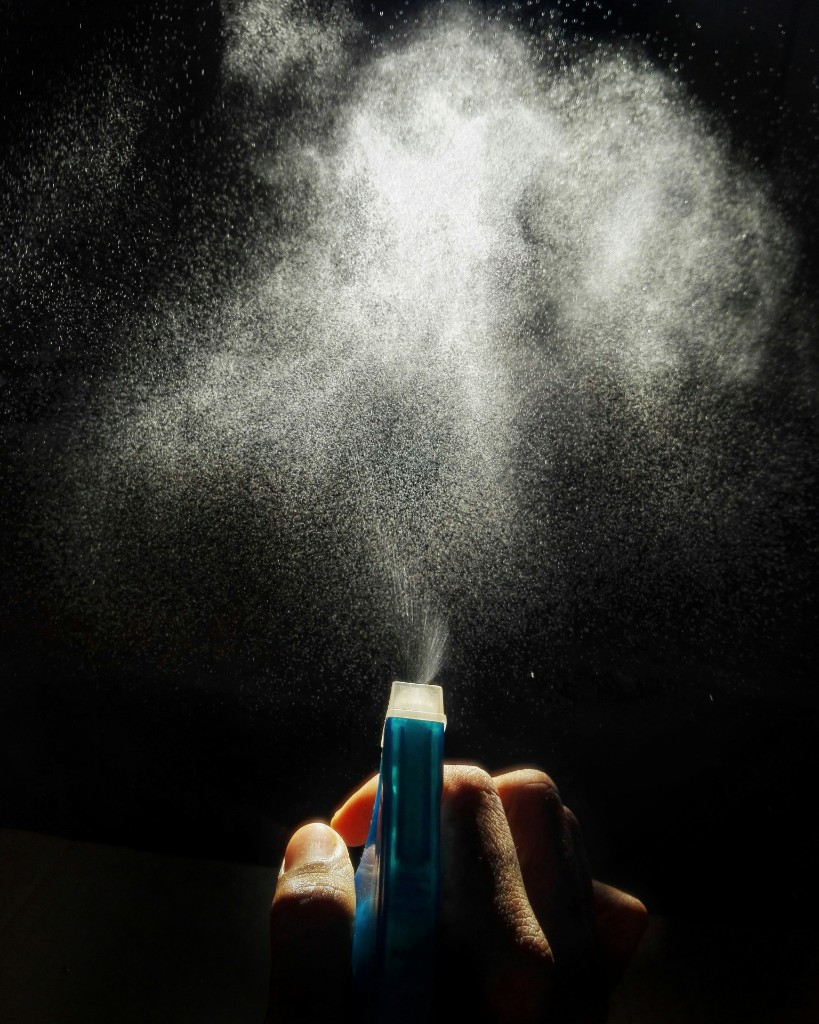
Air fresheners are one of the most common "hidden exposure" products at home.
The tricky part is that air fresheners often do not remove the source of odor. They usually add another scent on top of it. That means your nose may feel happier, but the original odor problem may still be there.
In small amounts, this may not feel like a big deal. But in bathrooms, bedrooms, cars, or other closed spaces, fragrance chemicals can build up in indoor air.
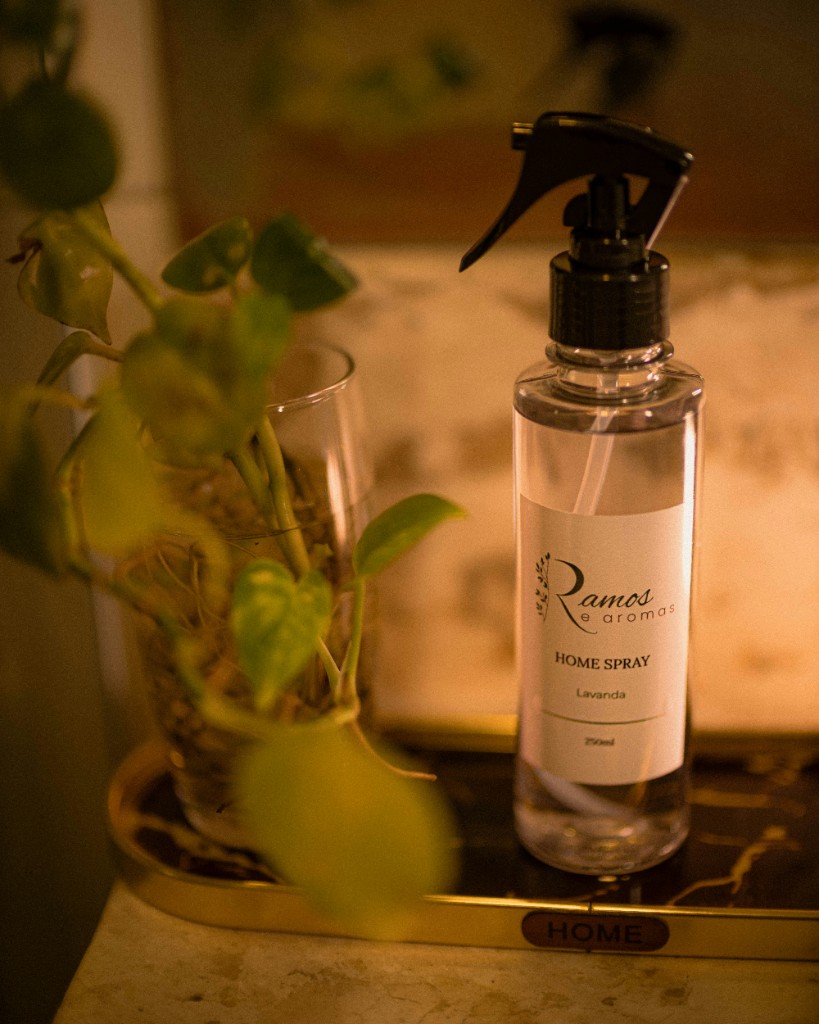
This is especially important if you use:
- Plug-in air fresheners
- Bathroom deodorizer gels
- Room sprays
- Scented candles
- Incense
- Diffusers
- Fabric sprays
- Car air fresheners
Again, the goal is not panic. The goal is exposure control.
A better approach to indoor odor
- Find the source of the smell first.
- Open windows when possible.
- Use exhaust fans in bathrooms and kitchens.
- Empty trash more often.
- Dry damp towels quickly.
- Clean drains and mold-prone areas.
- Use fragrance products lightly, not constantly.
A home does not need to smell like perfume to be clean. Sometimes the healthiest smell is simply fresh air.
Disinfectants: Useful, But Not for Everything
Disinfectants became a bigger part of daily life after the pandemic. Many people got used to disinfecting everything: tables, phones, handles, packages, kitchen counters, and even the air.
But disinfectants are not the same as regular cleaning products.
Cleaning removes dirt, oil, food residue, and many germs. Disinfecting uses chemicals to kill microorganisms. There are times when disinfecting is useful, such as after handling raw meat, during illness, or when cleaning high-touch surfaces in shared spaces.
But constant disinfecting in a normal home may not always be necessary.
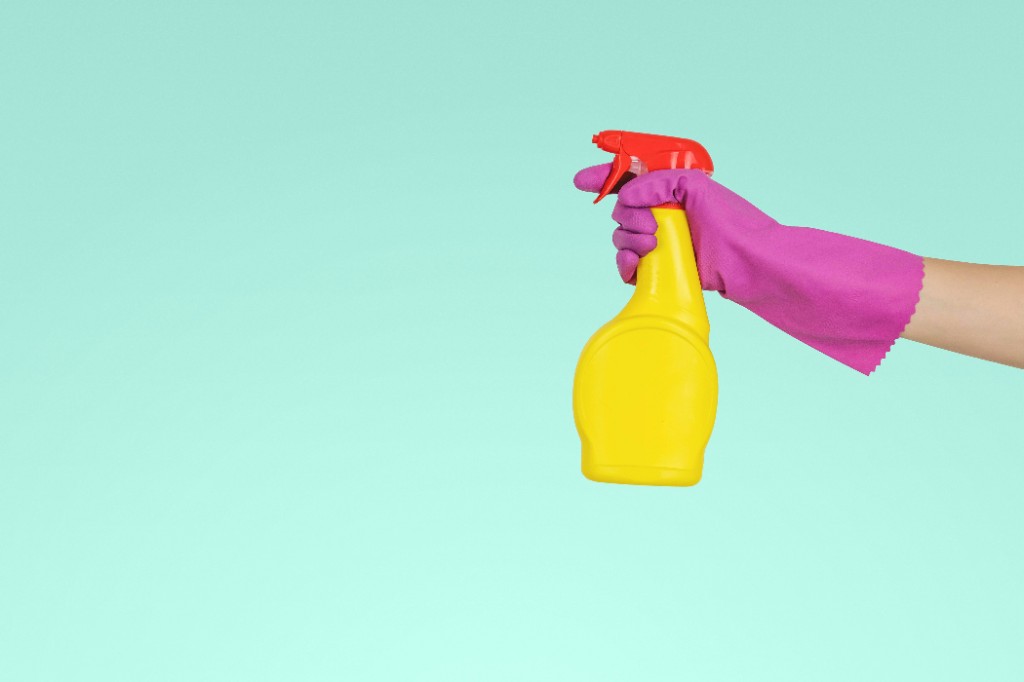
The more often you spray or wipe chemical disinfectants, the more likely you are to inhale residues or leave them on surfaces your skin touches.
Safer disinfectant habits
- Use disinfectants only when needed.
- Follow the product instructions.
- Do not mix cleaning products.
- Avoid spraying disinfectant into the air.
- Ventilate after use.
- Keep children and pets away until surfaces are dry.
- Wash hands after heavy cleaning.
For everyday messes, soap and water are often enough.
Mosquito Coils and Insect Repellents: Use, Then Ventilate
Mosquito coils are common in many homes, especially in summer. They can be effective, but they work by releasing insecticidal smoke into the air.
That means ventilation matters.
The goal should not be to sleep all night in a closed room filled with mosquito coil smoke. A more cautious approach is to use it briefly, allow it to work, then ventilate the space before staying there for a long time.
Practical mosquito coil tips
- Avoid using coils in a tightly closed room for hours.
- Keep them away from babies, pregnant people, elderly people, and pets.
- Do not place them near your face while sleeping.
- Ventilate after use.
- Consider screens, nets, fans, or non-burning alternatives when possible.
The safest insect control method is often the one that reduces the need for chemicals in the first place.
New Clothes: Wash Before You Wear
This one surprises many people.
New clothes may look clean, but they can contain residues from manufacturing, dyeing, wrinkle-resistant treatments, packaging, transportation, and storage.
One chemical often discussed in textiles is formaldehyde. It can be used in some fabric finishes to reduce wrinkles, prevent mold, or help dyes bind to fibers. Some people may experience skin irritation or allergic reactions from treated fabrics.
This is one reason washing new clothes before wearing them is a simple but smart habit.
It is especially important for:
- Underwear
- Pajamas
- Baby clothes
- Workout clothes
- Tight jeans
- Clothes worn directly on sensitive skin
- Bedding and pillowcases
One wash may not remove everything, but it can reduce residues and make the fabric safer and more comfortable against the skin.
PFAS, often called "forever chemicals," are a large group of chemicals used for water resistance, stain resistance, and durability. They can be found in some waterproof clothing, stain-resistant textiles, carpets, food packaging, cookware, and other consumer products.
For most people, PFAS exposure is not only about touching a sofa or wearing a raincoat. Food and drinking water can also be major exposure routes, depending on where you live and what you eat.
This is why the practical advice is not simply "throw away your sofa." A more realistic approach is to reduce exposure where you can.
Ways to reduce PFAS exposure at home
- Avoid unnecessary stain-resistant or water-repellent treatments.
- Be cautious with "nonstick," "waterproof," and "stain-proof" marketing claims.
- Use proper ventilation when bringing new furniture or textiles home.
- Choose simple, washable fabrics when possible.
- Check local water quality reports if PFAS contamination is a concern.
- Eat a varied diet instead of relying heavily on one food source.
You do not need to live in fear of every household item. But being selective helps.
Are Air-Purifying Plants Enough?
Air-purifying plants are lovely. They can improve the feeling of a room, add humidity, and make a space more pleasant.
But if your goal is to reduce indoor air pollution, plants are not a replacement for ventilation or a good air purifier.
The most practical indoor air strategy is simple:
First, reduce the source of pollutants. Second, ventilate. Third, use an air purifier if needed.
A plant in the corner cannot fully solve chemical sprays, cooking fumes, smoke, mold, or poor ventilation.
The Most Important Habit: Ventilation
If there is one lesson from all of this, it is this:
Fresh air matters.
Many household chemical exposures become more concerning in closed spaces. Bathrooms, bedrooms, cars, and small apartments can trap sprays, fragrances, smoke, and cleaning residues.
You do not need a complicated detox routine. You need better daily habits.
- Open a window after spraying products.
- Use the bathroom fan.
- Turn on the kitchen hood while cooking.
- Avoid using multiple scented products at once.
- Do not spray chemicals near your face.
- Store cleaning products with lids tightly closed.
- Choose fragrance-free options when possible.
Small changes can significantly reduce unnecessary exposure.
A Simple "Brain-Friendly Home" Checklist
Here is a practical checklist you can start today:
- Use mouthwash only as directed.
- Do not overuse strong antibacterial oral products.
- Ventilate after using air fresheners or sprays.
- Avoid constant fragrance in bedrooms and bathrooms.
- Use disinfectants only when truly needed.
- Never mix cleaning chemicals.
- Wash new clothes before wearing them.
- Ventilate after using mosquito coils or insect sprays.
- Choose fragrance-free or low-fragrance products when possible.
- Prioritize fresh air over artificial scents.
Final Thoughts: Don't Panic — Reduce the Load
The point of this topic is not to make you afraid of your home.
It is to remind you that "clean," "fresh," and "antibacterial" do not automatically mean "better for everyday use."
Your memory and brain health are shaped by many things: sleep, movement, blood sugar, blood pressure, social connection, stress, diet, and environmental exposure. Household chemicals are only one piece of the puzzle.
But they are a piece you can control.
You do not need to throw everything away today. Start with the easiest changes:
Wash new clothes. Open the windows. Use fewer sprays. Stop overusing disinfectants. Let your home smell like clean air, not chemicals.
Sometimes the healthiest home is not the one that smells the strongest.
It is the one that breathes.
General wellness and lifestyle information only. Not medical advice. If you have memory concerns, persistent symptoms, or product reactions, consult a qualified healthcare professional.
Key takeaways
- Association is not the same as proof — but daily exposure in closed rooms is worth reducing.
- Ventilation, correct product use, and fewer unnecessary sprays are the highest-impact habits.
- Wash new clothes, use disinfectants only when needed, and let fresh air do more of the work.
When to see a doctor
- New or worsening memory problems, confusion, or difficulty with daily tasks
- Persistent skin irritation, breathing problems, or headaches after using scented or cleaning products
- Any reaction to mouthwash, disinfectants, or insect products that does not improve quickly
How we write here
Articles combine personal experience, public health sources, and practical checklists. They do not replace medical diagnosis or treatment.
Stay in touch
Wellness articles in your inbox
Korean wellness for women 40+ — thoughtful notes, not sales funnels. Free, unsubscribe anytime.