A Simple Way to Fall Into Deeper Sleep: It May Start With Your Skin Temperature
Struggling to sleep deeply? Learn how a small shift in skin temperature — warm feet, a gentle shower, and a cooler room — may help your body fall into deeper, more restful sleep.
Quick answer
Before deep sleep, your body needs to release a little heat — often through the skin, especially hands and feet. Gently warming the skin (about 0.4°C in research) was linked to deeper sleep in older adults. Try a warm shower, short foot soak, loose socks if feet are cold, and a slightly cool bedroom.
Who this is for
- Women whose sleep feels lighter, more interrupted, or less refreshing after their late 30s and 40s
- Readers looking for simple, non-supplement sleep habits before trying more complex routines
Have you ever gone to bed exhausted, only to lie there wide awake?
Your body feels tired, but your mind keeps moving. You turn from side to side, check the time, adjust your pillow, pull the blanket up, kick it off again, and wonder why sleep suddenly feels so difficult.
For many women, especially after their late 30s and 40s, sleep begins to change. It may become lighter, more easily interrupted, or less refreshing than it used to be. You may sleep for seven or eight hours and still wake up feeling as if your body never fully rested.
When this happens, it is easy to look for a supplement, a sleep app, or a complicated nighttime routine. But one surprisingly simple factor may be worth paying attention to first.
Your skin temperature.
Not your fever temperature. Not whether your room feels hot or cold. But the subtle way your body releases heat through your skin as it prepares for sleep.
And according to sleep research, that tiny shift may matter more than most of us realize.
Your Body Does Not Simply "Shut Down" at Night
Falling asleep is not like turning off a light switch.
Your body has to move through a series of quiet biological changes before sleep can deepen. Your heart rate slows. Your nervous system begins to calm down. Your brain shifts away from alertness. And your body temperature starts to change.
One of the most important changes is a slight drop in core body temperature.
Core body temperature refers to the temperature deep inside your body. As bedtime approaches, your body naturally tries to release heat so that this inner temperature can fall. One way it does this is by increasing blood flow to the skin, especially in the hands and feet.
This is why warm hands and feet can sometimes make it easier to fall asleep.
It is not just a cozy feeling. It may be part of the body's natural sleep preparation process.
When your feet are cold, your blood vessels may stay more constricted. Your body may have a harder time releasing heat, and the transition into sleep can feel slower. On the other hand, when your skin is gently warmed, your body may be able to relax into sleep more easily.
The key word here is gently.
This does not mean sleeping in an overheated room or burying yourself under heavy blankets until you sweat. In fact, being too hot can make sleep worse. The goal is not to heat the whole body. It is to create the right temperature balance.
A study published in the journal Brain looked at how small changes in skin temperature could affect sleep depth.
Researchers carefully manipulated skin temperature while people slept. What makes the study so fascinating is that the temperature change was very small. The skin was warmed by about 0.4°C, which is less than most people would consciously notice.
But the body noticed.
The researchers found that this mild increase in skin temperature was linked with deeper sleep and fewer nighttime awakenings. The effect was especially interesting in older adults, who often experience more fragmented sleep and less deep sleep.
This does not mean that putting on socks will magically cure insomnia. The study used controlled conditions and special equipment, so it should not be oversimplified.
But it does suggest something useful for everyday life:
Sometimes, better sleep begins with helping the body feel safe, warm, and relaxed enough to let go.
Cold feet at night may seem like a small annoyance, but they can be a sign that your body is not fully ready for sleep.
When your feet are cold, the blood vessels in your extremities may be narrowed. This can make it harder for heat to move from the center of the body toward the skin. Since the body naturally needs to release some heat before deep sleep, cold extremities may interfere with that process.
This is one reason some people feel sleepy after a warm bath or shower. The warm water increases blood flow to the skin. Afterward, as the body begins to cool down, sleepiness can follow.
It is also why a short foot soak, a warm shower, or loose sleep socks may help some people fall asleep more comfortably.
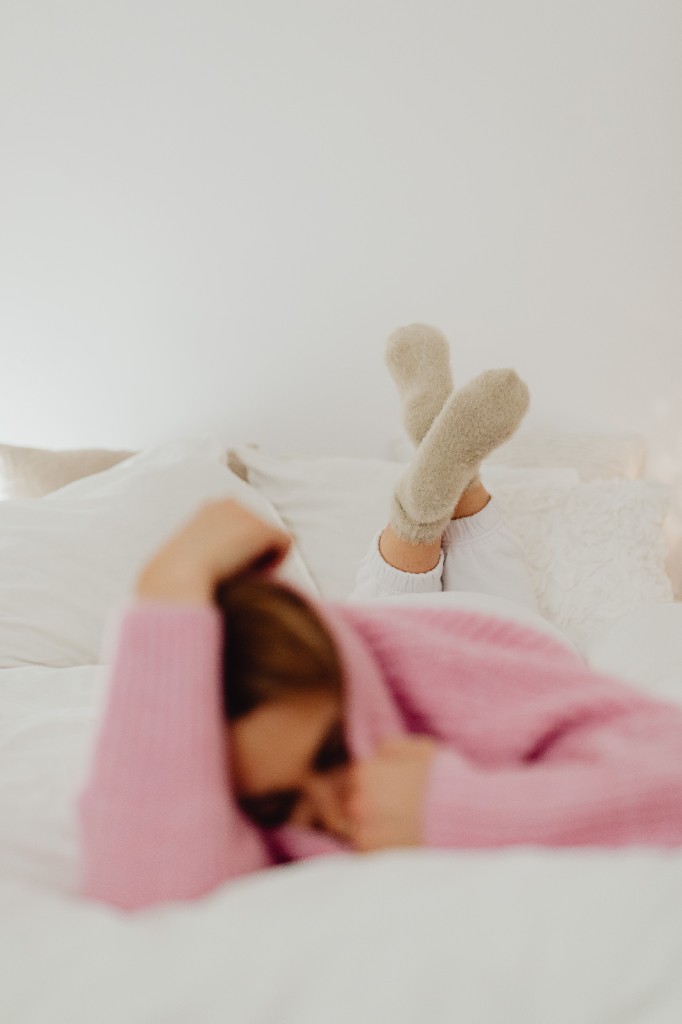
The effect is not dramatic or instant for everyone. But for people who often get into bed with cold feet, this small change may be worth trying.
What I Noticed in My Own Sleep
I have noticed this in my own sleep as well.
When I cover my whole body with a thick, heavy blanket, I often feel too hot to sleep comfortably. Even if I am tired, the trapped heat makes me restless. I end up moving around, pushing the blanket away, and waking up more easily during the night.
But in winter, wearing sleep socks feels different.
When my feet are cold, soft socks help me feel warmer without making my whole body overheat. It is a small change, but it makes bedtime feel more comfortable and relaxing.
That experience made this study feel especially interesting to me. The goal is not to make the entire body hot. It is to help the body find the right balance: warm enough to relax, but not so warm that sleep becomes uncomfortable.
How to Use Temperature to Support Better Sleep
You do not need a complicated sleep system to apply this idea.
Start with your evening routine.
A warm shower one to two hours before bed can help your body relax. It does not need to be very hot. In fact, overly hot water may leave you feeling flushed or uncomfortable. The goal is to warm the skin gently, then allow your body to cool down naturally afterward.
If your feet are cold, try a short foot bath for about 10 minutes. Use comfortably warm water, not hot water. After drying your feet, you can go to bed or put on soft, loose socks if that feels good.
Sleep socks can be helpful, but they should not be tight around the ankles. Anything that feels restrictive may become irritating during the night. If your feet tend to sweat, socks may not be the best choice. In that case, a warm shower or foot soak may feel better.
Your bedroom also matters.
A room that is too warm can make sleep lighter and more restless. Many people sleep better in a slightly cool room with breathable bedding. This allows the body to stay comfortable without overheating.
So the basic idea is simple:
Warm the skin before bed, but do not overheat the sleeping environment.
Here is a simple routine you can try tonight.
About one to two hours before bed, take a warm shower or foot bath. Afterward, keep your evening quiet and low-stimulation. Dim the lights if you can. Avoid scrolling in bed, because your brain may stay alert even when your body is tired.
If your feet feel cold, wear loose, breathable socks. If you feel too warm, skip them. Your body's comfort matters more than following a rule.
Try to keep your bedroom cool, calm, and dark. Use bedding that keeps you comfortable without making you sweat.
This routine is not about forcing yourself to sleep. It is about creating the conditions that allow sleep to happen more naturally.
That distinction matters.
The more pressure you put on yourself to fall asleep, the more awake you may feel. But when your body receives familiar signals of safety and relaxation, sleep often becomes easier to enter.
When Sleep Problems Need More Than Lifestyle Changes
Small temperature adjustments can be helpful, but they are not a solution for every sleep problem.
If you wake up gasping, snore heavily, have morning headaches, or feel extremely sleepy during the day, it may be worth speaking with a healthcare professional. These can be signs of sleep apnea or another sleep-related condition.
If insomnia lasts for several weeks and begins to affect your mood, work, memory, or daily life, it is also worth getting support. Poor sleep is not something you have to simply endure.
Lifestyle habits can support better sleep, but persistent sleep problems deserve proper attention.
Final Thoughts
Deep sleep does not always begin with a pill, a device, or a perfect routine.
Sometimes it begins with something much smaller: helping your body shift into the right state for rest.
A warm shower. A short foot soak. Loose socks on cold feet. A cooler bedroom. Less stimulation before bed.
These are not dramatic changes, but they can send a quiet message to your nervous system:
You are safe. You can relax now.
If you have been struggling to sleep deeply, try paying attention to your skin temperature tonight. Notice whether your feet are cold. Notice whether your room feels too warm. Notice whether your body feels tense or settled.
Better sleep may not come from doing more.
It may come from making the body comfortable enough to finally let go.
General wellness information only. Not medical advice. Consult a qualified healthcare professional for persistent sleep problems, snoring, or daytime sleepiness.
Key takeaways
- Sleep is not a switch — your body must cool slightly and release heat through the skin first.
- Cold feet may slow that process; a warm shower, foot soak, or loose socks can help some people.
- Warm the skin gently before bed, but keep the bedroom cool — overheating makes sleep worse.
When to see a doctor
- Loud snoring, gasping, morning headaches, or extreme daytime sleepiness — possible sleep apnea
- Insomnia lasting several weeks and affecting mood, memory, or daily life
- Sleep problems that do not improve with basic routine changes after a few weeks
How we write here
Articles combine personal experience, public health sources, and practical checklists. They do not replace medical diagnosis or treatment.
Stay in touch
Wellness articles in your inbox
Korean Wellness & Beauty Lifestyle for Women — thoughtful notes, not sales funnels. Free, unsubscribe anytime.