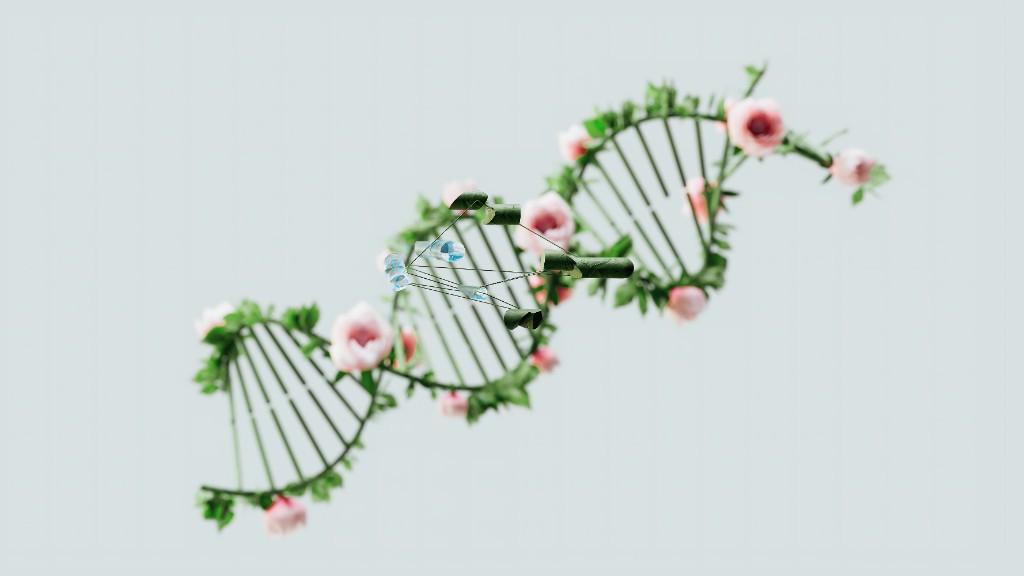
The Immortal Cells Inside Us: A Strange Secret of Aging
Some cells in the human body seem almost immortal. But the real story of aging, stem cells, telomeres, and cancer is more complicated — and more meaningful — than it first sounds.
Quick answer
A few cells can divide far longer than most — cancer lines like HeLa, some stem cells, and reproductive cells play special roles. True cellular immortality is not a simple anti-aging hack; the body depends on renewal and limits working together.
Who this is for
- Women 40+ curious about aging science without hype or miracle claims
- Readers interested in telomeres, stem cells, HeLa, and what healthy aging really means
Imagine if one tiny part of your body refused to grow old.
While your skin loses elasticity, your joints feel stiffer, and your energy changes after 40, some cells seem to carry a strange biological privilege: they can keep going.
But here is the twist.
In biology, immortality is not always a blessing. Sometimes, it is exactly what makes cancer dangerous.
That is what makes this topic so fascinating. When we first hear that there may be cells in the body that do not age in the usual way, it sounds like the beginning of an anti-aging breakthrough. Maybe there is a hidden secret inside us. Maybe some part of the body has already solved the problem we are all trying to solve with skincare, supplements, better sleep, and longevity routines.
But the more you look into it, the more complicated — and more meaningful — the story becomes.
Because the human body is not simply trying to keep every cell young forever. It is trying to keep balance. Some cells need to renew. Some cells need to rest. Some cells need to stop. And some cells, when they refuse to stop, can become dangerous.
So the real question is not only, "Are there cells that never age?"
The better question is: what kind of immortality are we talking about?
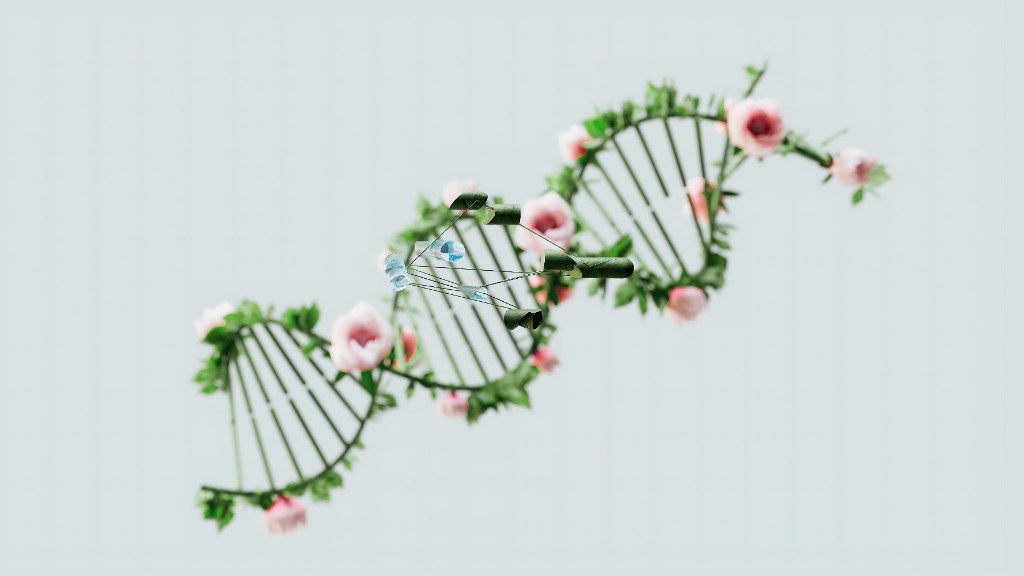
Most Cells Are Not Meant to Divide Forever
Most of the cells in our body are not built to last forever. At first, that can sound a little sad, especially in a culture that treats aging as something we should constantly fight. But this limit is not a design flaw. In many ways, it is part of the body's safety system.
Every time many normal cells divide, they must copy their DNA. At the ends of our chromosomes are protective structures called telomeres. They are often compared to the plastic tips at the ends of shoelaces, because they help protect the DNA from damage.
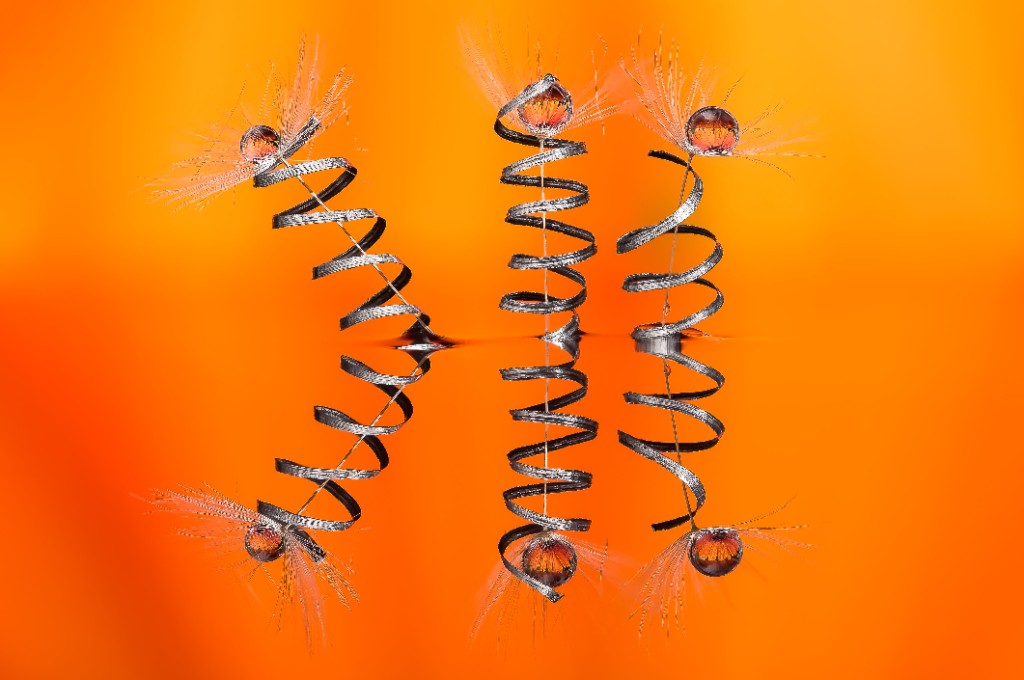
Over time, as cells divide again and again, these telomeres can become shorter. When they become too short, the cell may stop dividing. This state is often called cellular senescence. The cell is still alive, but it no longer behaves like a young, active dividing cell.
It is easy to see this as only a sign of aging. But there is another side to it.
A cell that stops dividing may also be protecting the body. If a cell has accumulated damage or becomes unstable, the ability to stop is important. Without limits, cells could keep multiplying when they should not.
And that is where the story begins to shift.
Because what we call "cellular aging" is not always simply weakness. Sometimes, it is the body's way of drawing a line.
The Tempting Dream of Immortal Cells
The idea of cells that can keep dividing is deeply tempting. If aging cells slow down partly because their telomeres shorten, then it seems logical to ask: what if we could keep telomeres longer? What if we could help cells stay young?
This is where telomerase enters the story.
Telomerase is an enzyme that can help maintain telomeres. Certain cells use telomerase more actively than most ordinary body cells. This can allow them to divide more times and preserve their ability to renew.
At first, that sounds like exactly what we want. Longer-lasting cells. Better repair. Slower aging.
But the body rarely gives us such a simple answer.
Many cancer cells also use telomerase or similar mechanisms to maintain their telomeres, which helps them continue dividing. In other words, one version of cellular "immortality" is not a beauty secret or a longevity hack. It is one of the reasons cancer can be so difficult to control.
Cancer cells become dangerous partly because they ignore the normal rules. They do not stop when they should. They continue to grow, divide, and survive in ways that healthy cells are not supposed to.
This is the uncomfortable truth behind the word "immortal."
A cell that lives forever is not automatically healthy. Sometimes, the healthiest thing a damaged cell can do is stop.
The Famous Story of HeLa Cells
One of the most famous examples of immortal cells is the HeLa cell line.
HeLa cells came from Henrietta Lacks, a woman whose cervical cancer cells were collected in 1951. Her cells had an unusual ability to survive and multiply in the laboratory, and they became one of the most important tools in modern medical research. They helped scientists study cancer, genetics, vaccines, cell behavior, and many other areas of biology.
But HeLa cells are not only a scientific story. They are also an ethical story. Henrietta Lacks did not give informed consent for her cells to be used in this way, and her story has become an important reminder that medical progress must never be separated from human dignity.
That is one reason HeLa cells make the idea of immortality feel so complicated.
On one hand, these cells contributed to discoveries that helped medicine move forward. On the other hand, their immortality came from cancer, and their use raised painful questions about consent, ownership, and respect.
The word "immortal" can sound beautiful from a distance.
But in biology, it often carries a heavier meaning.
If cancer cells show us the dangerous side of uncontrolled growth, stem cells show us the hopeful side of renewal.
Stem cells are part of the body's repair system. They help maintain and regenerate certain tissues, especially in areas where cells need regular replacement, such as blood, skin, and the lining of the gut. This is why stem cells are so important in conversations about healing and regenerative medicine.
But stem cells are not magical, and they are not completely free from aging.
As we get older, stem cell function can decline. The body still repairs itself, but the process may become slower or less efficient. This is one reason why a cut may take longer to heal, why muscle recovery may feel slower, and why skin may not bounce back as easily as it once did.
For women over 40, this can feel very real.
It is not always dramatic. It may show up quietly. A bad night of sleep appears on the face more clearly. Stress feels more physical. Muscle seems easier to lose and harder to rebuild. The body still responds, but it asks for more care than before.
This is where I find the stem cell story comforting rather than discouraging.
It reminds us that aging does not mean the body has stopped trying. The body is still repairing, renewing, and adapting. But the conditions we create around that repair matter more than they used to.
Sleep matters. Protein matters. Movement matters. Sun protection matters. Blood sugar balance matters. Stress matters. Not because these things are trendy wellness advice, but because our cells are living inside the environment we give them every day.
Reproductive Cells and the Continuity of Life
There is another part of the story that feels almost philosophical: reproductive cells.
Our individual bodies age. Skin changes. Muscles change. Bones change. Energy changes. But life continues from generation to generation through reproductive cells. In that sense, biology has a strange form of continuity built into it.
This does not mean reproductive cells are simply "forever young." Fertility changes with age, and eggs and sperm can also be affected by time, environment, and health. But compared with many ordinary body cells, reproductive cells belong to a special biological story. They are connected to inheritance, continuity, and the passing of life forward.
This is one reason aging is so much more complex than it appears.
A skin cell, a nerve cell, a blood stem cell, an egg cell, and a cancer cell do not all age in the same way. They have different roles, different limits, and different rules.
The body is not one simple object growing older at one steady speed. It is more like an orchestra. Some instruments grow quiet. Some continue playing. Some need repair. Some become too loud and disrupt the whole performance.
Healthy aging is not about making every instrument play forever.
It is about keeping the music balanced for as long as possible.
The Body Is Not Trying to Be Young Forever
The more I think about cellular aging, the more I feel that the phrase "anti-aging" can be misleading.
Most of us do not actually want biological immortality. We do not want cells that multiply without control. We do not want a body that ignores all boundaries. What we really want is much more human than that.
We want to feel like ourselves for as long as possible.
We want steady energy. Clear thinking. Strong legs. Healthy skin. Better recovery. A body that can carry us through work, family, travel, stress, joy, and ordinary daily life.
We may not need to look 25 forever. But we do want to age without feeling like we are disappearing from ourselves.
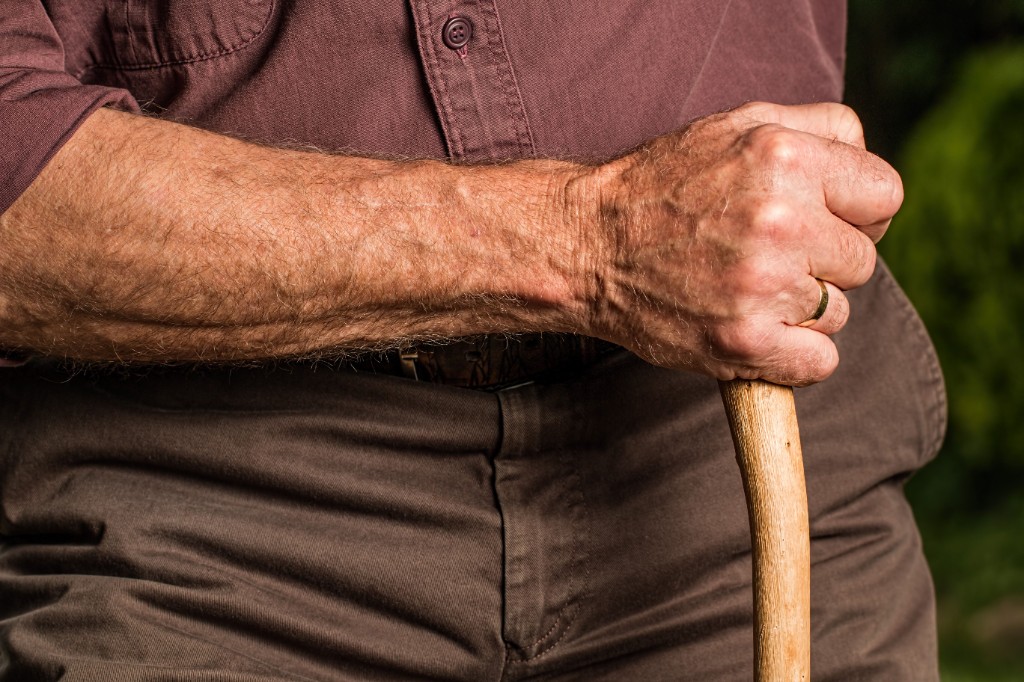
That is very different from chasing immortal cells.
Healthy aging is not about forcing the body to stay young at all costs. It is about helping the body stay organized, responsive, and resilient. It is about supporting repair while respecting the body's need for limits.
Some cells must renew. Some cells must rest. Some cells must stop. Some cells must be cleared away.
The wisdom of the body is not that it avoids aging completely. It is that, when things are working well, it knows what each cell should do.
What This Means in Everyday Life
The idea of cells that never age sounds like a distant scientific topic, but it actually brings us back to very ordinary choices.

A walk after dinner is not just a walk. It is a signal to the body.
A protein-rich meal is not just a diet trend. It gives the body materials for maintenance and repair.
Sleep is not just rest. It is part of the body's nightly restoration work.
Sunscreen is not just skincare. It is protection against one of the biggest external drivers of visible skin aging.
Strength training is not just about looking toned. It is one of the most practical ways to support metabolism, balance, posture, and independence as we get older.
None of this means we can control everything. Aging is real. Genetics matter. Illness happens. Hormones change. Life is not always calm, and no one lives a perfect routine every day.
But I do think there is something hopeful in knowing that healthy aging is not built only from expensive treatments or dramatic routines. It is also built from repeated signals of care.
We cannot make every cell young forever.
And maybe we should not want to.
But we can create a life that supports repair, reduces unnecessary damage, and gives the body a better chance to age well.
The Takeaway
So, are there cells in the human body that never age?
Some cells can behave almost as if they are immortal, especially certain cancer cells and laboratory cell lines like HeLa. Some cells, such as stem cells and reproductive cells, have special roles in renewal, repair, and continuity. But true cellular immortality is not the simple anti-aging dream it may seem to be.
The real lesson is not that we should chase cells that never age.
The lesson is that the body depends on balance.
Renewal matters. But limits matter too. Repair matters. But protection matters too. A healthy body is not one where every cell lives forever. It is one where cells know when to grow, when to rest, when to repair, and when to stop.
That may not sound as glamorous as eternal youth.
But it is much closer to what we actually need.
A body that keeps renewing wisely. A body that changes, but still supports us. A body that ages, but does not fall apart before its time.
General wellness and science-informed information only. Not medical advice. For personal health concerns, screening, or supplement decisions, consult a qualified healthcare professional.
Key takeaways
- Telomere shortening and cellular senescence are safety limits, not just signs of decline.
- Telomerase helps some cells renew — but cancer cells exploit similar mechanisms.
- Healthy aging is balance: repair, rest, protection, and knowing when cells should stop.
When to see a doctor
- Before starting high-dose supplements or protocols marketed around telomeres or stem cells
- Unexplained fatigue, weight loss, or persistent symptoms that worry you about cancer screening
- Fertility, hormonal, or recovery concerns that affect daily life after 40
How we write here
Articles combine personal experience, public health sources, and practical checklists. They do not replace medical diagnosis or treatment.
Stay in touch
Wellness articles in your inbox
Wellness & Healthy Aging for Women — thoughtful notes, not sales funnels. Free, unsubscribe anytime.